
.jpeg)
What are the detailed instructions for acalatinib/acalatinib?
Acalabrutinib (Acalabrutinib) is a highly selective second-generation Bruton's tyrosine kinase (BTK) inhibitor, mainly used to treat chronic lymphocytic leukemia (CLL), small lymphocytic lymphoma (SLL) and mantle cell lymphoma (MCL). As a molecular targeted therapy, acotinib works by inhibiting the key BTK enzyme in the B cell receptor signaling pathway, thereby preventing the proliferation and survival of abnormal B cells. Its drug instructions cover multiple core areas, including indications, usage and dosage, adverse reactions, pharmacokinetics, and precautions.
1. Description of indications:
Acotinib is approved by the FDA for the treatment of patients with CLL/SLL and MCL, especially for relapsed/refractory patients who have received previous treatment, or for patients who cannot tolerate the first-generation BTK inhibitor ibrutinib. In combination treatment regimens, acotinib is also suitable for untreated patients with newly diagnosed CLL/SLL, in combination with obinutuzumab or in combination with bendamustine or rituximab.
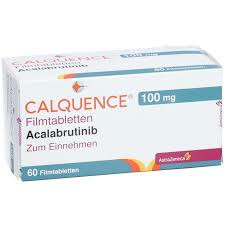
2. Usage and dosage instructions:
1. Monotherapy (CLL, SLL, MCL): The recommended dose is 100 mg orally, once every 12 hours, until disease progression or intolerable toxicity occurs.
2. Combined treatment with obinutuzumab (applicable to untreated CLL/SLL): acotinib is used starting from the first cycle (cycle is 28 days), 100 mg orally every 12 hours. Obinutuzumab was introduced from the second cycle and used continuously for 6 cycles. When taking the medicine on the same day, acotinib must be taken first, and then obinutuzumab is infused.
3. Combined bendamustine+rituximab treatment (untreated MCL): acotinib is also administered orally at 100 mg every 12 hours, starting on day 1 of cycle 1. Bendamustine and rituximab were administered intravenously starting from cycle 1, and the entire combination therapy lasted for 6 cycles. If partial or complete response is obtained in the first 6 cycles, rituximab maintenance therapy can be continued until the 30th cycle.
3. Pharmacokinetics and Metabolism:
Acotinib mainly passes through the bodyCYP3A enzyme is metabolized, and its active metabolite ACP-5862 also has a certain BTK inhibitory function. Peak concentration is reached about 1 hour after oral administration, and food has little effect on its absorption. It should be noted that simultaneous use with strong CYP3A inhibitors (such as certain antibiotics, antifungals) or inducers (such as rifampicin) may cause fluctuations in drug blood concentrations.
4. Common adverse reactions:
Common side effects of acotinib include headache, diarrhea, upper respiratory tract infection, thrombocytopenia, anemia, etc. Some patients may develop arrhythmias, hypertension or bleeding tendencies during use, so cardiovascular risks and bleeding indicators should be closely monitored. In addition, compared with the first-generation BTK inhibitors, acotinib is more selective, theoretically has a lower incidence of side effects such as atrial fibrillation, and is better tolerated.
5. Medication precautions and taboos:
During treatment, foods or drinks containing grapefruit should be avoided to avoid interfering with drug metabolism. At the same time, patients with a history of active infection, bleeding risk, or arrhythmia should be used with special caution. If the patient is receiving anticoagulant therapy, the risk of bleeding needs to be assessed. If serious adverse reactions occur during medication, suspension or dose adjustment should be considered.
Reference materials:https://www.calquence.com/
[ 免责声明 ] 本页面内容来自公开渠道(如FDA官网、Drugs官网、原研药厂官网等),仅供持有医疗专业资质的人员用于医学药学研究参考,不构成任何治疗建议或药品推荐。所涉药品可能未在中国大陆获批上市,不适用于中国境内销售和使用。如需治疗,请咨询正规医疗机构。本站不提供药品销售或代购服务。


