
.jpeg)
Can entrectinib penetrate the blood-brain barrier? What is the effect on patients with brain metastases?
Entrectinib (Entrectinib) is a multi-target tyrosine kinase inhibitor targeting NTRK fusion, ROS1 and ALK gene mutations, especially for patients with some rare fusion gene-related non-small cell lung cancer and other solid tumors. An interesting feature is whether it can penetrate the blood-brain barrier and thereby exert efficacy in patients with brain metastases. According to current overseas research and clinical use observations, one of the original design intentions of entrectinib is to enhance its penetration ability into the central nervous system to cope with the spread of tumor cells in brain tissue.
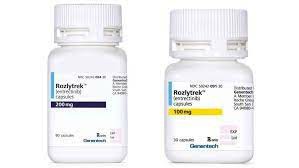
Unlike some early targeted drugs that have difficulty entering the central system due to molecular structure or pharmacokinetics, entrectinib has been proven to have strong blood-brain barrier permeability. It can not only provide therapeutic support when brain metastases occur, but is also used to early control potential lesions in some patients with asymptomatic brain metastases. This feature is particularly important for patients who carry ROS1 or NTRK fusion genes and have brain lesions, because brain metastasis is often one of the key factors in the failure of targeted therapy and worsening of prognosis.
It is worth noting that the effect of entrectinib on brain lesions does not mean that all brain metastases can be completely eliminated, but that it can shrink or stabilize the lesions by continuously targeting key mutated genes, thereby improving the quality of life and delaying the progression of neurological symptoms. Its ability to penetrate the blood-brain barrier also makes it more promising when combined with traditional radiotherapy or chemotherapy, especially for patients with brain metastases who have multiple lesions or are not suitable for surgery.
While taking entrectinib, patients are advised to undergo regular brain imaging examinations (such asMRI) to monitor treatment response and identify possible signs of drug resistance as early as possible. Overall, entrectinib is becoming a new option for patients with ROS1/NTRK-related brain metastases due to its molecular design advantages and good penetration into brain tissue. It is also expected to occupy a place in more precision treatment strategies related to brain metastases in the future.
Reference materials:https://www.roche.com/products/rozlytrek
[ 免责声明 ] 本页面内容来自公开渠道(如FDA官网、Drugs官网、原研药厂官网等),仅供持有医疗专业资质的人员用于医学药学研究参考,不构成任何治疗建议或药品推荐。所涉药品可能未在中国大陆获批上市,不适用于中国境内销售和使用。如需治疗,请咨询正规医疗机构。本站不提供药品销售或代购服务。


