
.jpeg)
What are the instructions for clofazimine soft capsules?
Clofazimine (Clofazimine) is a fat-soluble phenazine antibacterial drug. It was introduced for the treatment of leprosy as early as the 1960s, and is especially suitable for the treatment of multibacillary leprosy (MB type). Currently, clofazimine has been listed by the World Health Organization (WHO) as one of the core drugs in the leprosy combined chemotherapy (MDT) program. Its English generic name is Clofazimine, which is usually marketed in the country as "Clofazimine capsules" and is included in the medical insurance catalog. It is mainly used for tumor-type leprosy and infections caused by sulfone-resistant mycobacteria.
According to the drug instructions of clofazimine, its indications focus on the treatment of leprosy, especially multibacillary leprosy (LL type) or leprosy with erythematous nodular reaction. Its therapeutic value is not only reflected in its direct antibacterial effect, but also includes its unique anti-inflammatory properties, which is especially positive in controlling leprosy reactive attacks and reducing erythema, nodules and neuroinflammation. The instructions also indicate that clofazimine should be used in combination with other anti-leprosy drugs such as Dapsone and Rifampin to enhance the efficacy and prevent the occurrence of drug resistance. In some cases, such as in dapsone-resistant or intolerant patients, clofazimine assumes a more critical therapeutic role. In addition, clofazimine also has some experience in adjuvant use for atypical mycobacterial (NTM) infections, especially in mycobacterial lesions co-occurring in AIDS patients, although its efficacy is often limited due to drug resistance or low immunity.
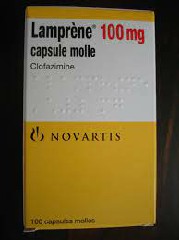
Regarding usage and dosage, the instructions recommend that when treating dapsone-resistant leprosy, the adult dose is usually 50 to 100 mg orally daily and needs to be combined with other anti-leprosy drugs. If the patient is complicated by erythematous nodular leprosy reaction, especially if there is a high risk of nerve damage or skin ulceration, the dose of clofazimine can be increased to 100 to 300 mg per day. At this time, glucocorticoids (such as prednisone) are often used to control the inflammatory response. After the condition stabilizes, gradually reduce the dose to the maintenance dose to avoid rebound or worsening of nerve damage caused by rapid withdrawal of the drug. In the control of erythematous nodular leprosy reactions, clofazimine improves the overall safety of treatment by reducing steroid dependence. In addition, in order to improve the drug concentration in body tissues and the clearance efficiency of the immune system, the instructions recommend taking the drug during the reaction period for at least two months before considering tapering.
The instruction manual also clearly states that clofazimine should be used in combination for a long time, and triple therapy is generally recommended for at least more than 2 years until the skin smear is negative before switching to single-drug consolidation therapy to ensure complete elimination of the infection. Regarding pediatric patients, due to the lack of systematic research, the specific dosage has not been given standard recommendations in the instructions. It should be strictly controlled by professional physicians based on body weight and individual responses.
In addition to the core content, the instructions for clofazimine also remind you of several adverse reactions and medication precautions. For example, skin pigmentation is one of the most common side effects and is almost inevitable in long-term treatment. Although this change does not affect the efficacy of the drug, it may affect patient compliance. Other possible adverse reactions include gastrointestinal irritation, loss of appetite, and rare cases of crystalline enteropathy. In addition, the drug has tissue affinity and can remain in sebaceous glands, liver, lung tissue, etc. for a long time. It will take several months to be completely metabolized and eliminated after stopping the drug.
In short, as a main anti-leprosy drug, clofazimine’s instruction manual systematically and exhaustively covers key clinical information such as indications, combination medication strategies, specific dosage adjustment plans, and related adverse reaction monitoring. In the context of the current global reduction in the burden of leprosy, this drug still plays an important public health mission.
Reference materials:https://www.novartis.com/our-products/pipeline/clofazimine
[ 免责声明 ] 本页面内容来自公开渠道(如FDA官网、Drugs官网、原研药厂官网等),仅供持有医疗专业资质的人员用于医学药学研究参考,不构成任何治疗建议或药品推荐。所涉药品可能未在中国大陆获批上市,不适用于中国境内销售和使用。如需治疗,请咨询正规医疗机构。本站不提供药品销售或代购服务。


