
.jpeg)
What are the common side effects of Axitinib targeted drugs?
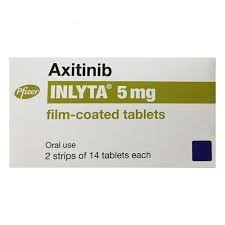
Axitinib is an oral targeted drug used to treat advanced renal cell carcinoma. It belongs to the class of vascular endothelial growth factor receptor (VEGFR) tyrosine kinase inhibitors. It inhibits the growth and spread of tumors by inhibiting the formation of tumor blood vessels and blocking nutrient supply. Although axitinib has achieved certain efficacy in delaying disease progression, it may also cause a series of side effects during treatment. Understanding these side effects is of great significance for patients to respond promptly and improve their quality of life.
High blood pressure is one of the most common side effects of axitinib. Since its mechanism is to inhibit the VEGF pathway, and VEGF plays an important role in maintaining normal blood vessel function, long-term inhibition of this pathway may lead to vasoconstriction and endothelial dysfunction, thereby causing an increase in blood pressure. In clinical practice, approximately 40%-50% of patients develop varying degrees of hypertension during treatment with axitinib. Therefore, patients should regularly monitor their blood pressure while taking medication and use antihypertensive drugs to control it under the guidance of a doctor to reduce the risk of cardiovascular and cerebrovascular complications.
Gastrointestinal reactions are also common, mainly manifesting as diarrhea, loss of appetite, nausea, vomiting, and oral mucositis. These symptoms may affect the patient's nutrient absorption and overall health. In order to alleviate these discomforts, patients should avoid irritating foods, keep their diet light and easy to digest, and if necessary, adjust their diet or use anti-gastrointestinal drugs to relieve symptoms. If the diarrhea is severe, it also needs to be evaluated to see if it is related to infection or other underlying diseases.
Fatigue and weakness are also common side effects during axitinib treatment. This kind of fatigue is often not caused by exertion, but a systemic symptom related to treatment, which may be related to the drug's impact on metabolism, hematopoietic system function, or psychological factors. This fatigue often manifests itself as a persistent lack of energy, difficulty concentrating, or a lack of energy. It is recommended that patients appropriately arrange activity time in daily life to avoid overexertion, while maintaining a regular schedule and appropriate psychological adjustment. If necessary, doctors can recommend vitamin supplements or nutritional support.
Hand-foot syndrome is also a possible side effect of axitinib. This condition usually manifests itself as erythema, blisters, peeling and even pain on the skin of the palms and soles, which affects the patient's daily activities. To reduce the incidence of hand-foot syndrome, patients should avoid prolonged friction, immersion, or contact with hot water, keep their skin dry and clean, and use emollients to protect their skin. If the symptoms are severe, you should report it to your doctor in time and consider reducing the dose or discontinuing the medication as appropriate.
In addition to the above common adverse reactions, axitinib may also cause other side effects such as proteinuria, abnormal liver function, thyroid dysfunction, and bleeding tendency. Proteinuria is usually detected through urine testing, and its long-term presence may indicate impaired renal function; while elevated liver enzymes require regular review of liver function indicators to ensure safe medication use. Some patients may develop hypothyroidism and require thyroid function tests and hormone supplementation if necessary. The risk of bleeding is relatively low, but if bleeding gums, black stools, etc. occur, you should seek medical attention promptly.
In summary, axitinib, as a targeted therapy drug, may also cause a variety of side effects while exerting anti-cancer effects. Most of the side effects are controllable and reversible. As long as the patient takes the medication regularly under the guidance of a doctor, conducts regular reviews and does daily management, the efficacy and safety can be balanced to the greatest extent. Doctors will also adjust the dose or take supportive care based on the individual patient's condition to ensure a smoother treatment process. For patients using axitinib, scientific understanding of side effects and preparation for them are important prerequisites for long-term benefit.
Reference materials:https://en.wikipedia.org/wiki/Axitinib
[ 免责声明 ] 本页面内容来自公开渠道(如FDA官网、Drugs官网、原研药厂官网等),仅供持有医疗专业资质的人员用于医学药学研究参考,不构成任何治疗建议或药品推荐。所涉药品可能未在中国大陆获批上市,不适用于中国境内销售和使用。如需治疗,请咨询正规医疗机构。本站不提供药品销售或代购服务。


