
.jpeg)
Why is the brain metastasis control rate of brigatinib/brigatinib better than crizotinib in the treatment of ALK-positive lung cancer?
Brigatinib (Brigatinib), as a second-generation ALK tyrosine kinase inhibitor (ALK-TKI), has received increasing attention in the treatment of ALK-positive non-small cell lung cancer (NSCLC) in recent years. In particular, it has shown significant advantages over the first-generation drug Crizotinib in the control of brain metastases. Brain metastasis is a common and difficult complication of ALK-positive lung cancer. About 30% to 50% of patients develop brain lesions at the time of diagnosis or during treatment. Whether the drug can penetrate the blood-brain barrier and remain active in the central nervous system (CNS) directly affects the patient's quality of life and treatment outcome.
Brigatinib has more advantages in molecular structure than crizotinib. Although crizotinib is the first targeted drug approved for ALK-positive NSCLC, its design is not optimized for central nervous system penetration. Therefore, its blood-brain barrier penetration ability is weak, resulting in limited effectiveness in the treatment of brain metastases. Many patients develop brain metastasis progression during crizotinib treatment, which even becomes the first manifestation of drug resistance. Brigatinib is designed as a molecule with stronger binding force and broader inhibitory effect. Its fat solubility and brain-friendly properties are significantly improved, making it easier to cross the blood-brain barrier, reach the brain tissue and maintain an effective concentration, thus exerting a significant anti-cancer effect on brain tumor lesions.
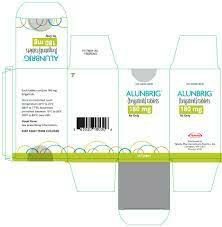
In addition, brigatinib has strong inhibitory ability againstALK fusion protein and its multiple mutants. With the prolonged use of crizotinib, multiple drug-resistant mutations may appear in patients, such as L1196M, G1269A, etc. Brigatinib has shown strong activity against these mutation sites in in vitro experiments and animal models, indicating that it can not only control the primary lesions, but also delay or break through the brain drug-resistant mechanism. This "broad-spectrum resistance mutation suppression" is also one of the key factors that leads to its lead in the control of brain metastasis.
Another important advantage lies in the plasma concentration distribution characteristics of brigatinib. Studies have shown that after reaching a stable concentration in plasma, brigatinib can maintain sustained and effective drug levels in brain tissue, thereby achieving long-term control of central system lesions. This pharmacokinetic property provides a basic guarantee for the treatment of tumors of the central nervous system. In contrast, crizotinib not only has weak penetrating ability, but also has uneven distribution in brain tissue, which can easily form drug concentration valleys, resulting in short-lasting therapeutic effects.
In terms of clinical application, brigatinib has been included in some international studies as an alternative to crizotinib after first-line resistance, and has also been tried for patients with clear brain metastasesFirst-line treatment for ALK-positive NSCLC patients and achieved positive response. Although there are currently no extensive head-to-head studies in China, overseas studies and real-world data have initially demonstrated its potential to extend progression-free survival in patients with brain metastases. This feature has gradually made brigatinib an important choice for patients with ALK-positive lung cancer and brain metastases.
Taken together, the reason brigatinib is superior to crizotinib in the control of brain metastases is ultimately because it has better blood-brain barrier penetration, strongerALK mutation inhibition spectrum, and more favorable pharmacokinetic properties. These molecular and pharmacological advantages form the basis for brigatinib to stand out in the treatment of the central nervous system. For ALK-positive NSCLC patients who are at risk of brain metastasis or have already developed brain metastasis, the application of brigatinib is expected to significantly improve the quality of treatment, prolong the control time of central system disease, and improve the patient's quality of life and long-term prognosis.
Reference materials:https://www.alunbrig.com/
[ 免责声明 ] 本页面内容来自公开渠道(如FDA官网、Drugs官网、原研药厂官网等),仅供持有医疗专业资质的人员用于医学药学研究参考,不构成任何治疗建议或药品推荐。所涉药品可能未在中国大陆获批上市,不适用于中国境内销售和使用。如需治疗,请咨询正规医疗机构。本站不提供药品销售或代购服务。


