
.jpeg)
Which generation of targeted drugs does dabrafenib belong to? Analysis of drug generation and treatment mechanism
Dabrafenib is a second-generation BRAF inhibitor, mainly used to treat tumors carrying BRAF V600E mutations, such as melanoma, non-small cell lung cancer and thyroid cancer. Compared with the first-generation targeted drugs, dabrafenib has significantly improved selectivity and inhibitory effect. It can more accurately target the mutated BRAF protein, thereby blocking the abnormal signaling pathways of tumor cells and inhibiting the growth and spread of cancer cells.
In terms of therapeutic mechanism, dabrafenib inhibits the abnormally activated BRAF kinase activity in the MAPK signaling pathway, disrupting the signal chain that cancer cells rely on for survival and proliferation from the source. This targeting mechanism is more specific than traditional chemotherapy, so patients have more controllable side effects and better treatment compliance during use. In addition, dabrafenib is often combined with trametinib, another MEK inhibitor, to reduce the risk of resistance and improve efficacy.
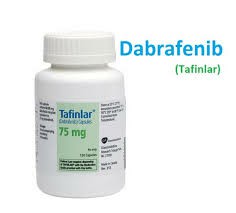
The development of drugs across generations reflects the progress of treatment ideas. Although the first-generation BRAF inhibitors can control the disease in the short term, they are prone to lead to drug resistance due to feedback activation or activation of alternative pathways. Second-generation drugs such as dabrafenib not only have stronger target affinity, but also have optimized pharmacokinetics, making them more suitable for long-term treatment. Especially in the field of melanoma treatment, dabrafenib has become one of the standard drugs recommended by international guidelines.
In general, dabrafenib, as a second-generation targeted drug, shows better performance in both molecular design and clinical application. For patients with the BRAF V600E mutation, the drug can provide a more personalized and sustained effective treatment plan. As targeted drugs continue to evolve in the future, drugs with high efficacy and low side effects like dabrafenib will play a greater role in cancer treatment.
Reference materials:https://go.drugbank.com/drugs/DB08912
[ 免责声明 ] 本页面内容来自公开渠道(如FDA官网、Drugs官网、原研药厂官网等),仅供持有医疗专业资质的人员用于医学药学研究参考,不构成任何治疗建议或药品推荐。所涉药品可能未在中国大陆获批上市,不适用于中国境内销售和使用。如需治疗,请咨询正规医疗机构。本站不提供药品销售或代购服务。


