
.jpeg)
Comparison of the efficacy of dacomitinib/dacomitinib and afatinib, which one is more suitable for patients
Dacomitinib (Dacomitinib) and afatinib (Afatinib) are both second-generation epidermal growth factor receptor (EGFR) tyrosine kinase inhibitors (TKIs). They are mainly used to treat patients with advanced non-small cell lung cancer (NSCLC) carrying EGFR sensitive mutations. Although their targeting mechanisms are similar, there are still differences in molecular structure, inhibitory spectrum, clinical performance and tolerability. Doctors usually choose based on the individual differences of patients, and cannot simply say which one is "better".
From a mechanism perspective, afatinib is the first second-generation TKI approved for the treatment of EGFR-mutated lung cancer. It inhibits EGFR, HER2 and HER4 receptors simultaneously in an irreversible manner, and has a broad-spectrum and stable targeted inhibitory effect. Dacomitinib is also an irreversible EGFR inhibitor, but it has stronger inhibitory activity against EGFR family members, especially with higher binding affinity under certain mutation types. Therefore, in theory, dacomitinib may provide stronger anti-tumor effects at the molecular level, which is also one of the main basis for its development for first-line treatment.
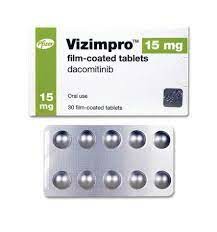
However, greater efficacy does not necessarily equate to "more suitable". The enhanced inhibitory effect of dacomitinib is often accompanied by a higher frequency of adverse reactions, especially skin and mucosal toxicities such as rash, diarrhea, and stomatitis. Although afatinib also has similar side effects, it is relatively mild in clinical practice. Especially for older patients or patients with other underlying diseases, the safety and tolerability of afatinib are more important. In addition, in Asian populations, data on the long-term use of afatinib are more abundant. It also shows certain clinical activity in rare EGFR mutations (such as G719X, S768I, etc.), providing more treatment possibilities for specific populations.
Regarding efficacy comparison, existing studies show that dacomitinib can bring longer progression-free survival (PFS) and stronger disease control in some patients, but only if the patients can tolerate its side effects. In an international study, the proportion of patients in the dacomitinib group who experienced adverse reactions leading to dose adjustment or discontinuation was significantly higher than that in the afatinib group, which also indicates that its toxicity is more obvious. In practical applications, many clinicians will choose afatinib as the initial treatment plan, especially when the patient's physical condition is weak and more sensitive to toxicity. Dacomitinib is more used in patients who are younger, in good physical condition, and have higher expectations for treatment.
Another factor worth considering is the availability of drugs and medical insurance coverage in mainland China. Afatinib was launched earlier in China and has been included in the medical insurance catalog, so the financial burden on patients is relatively light. In contrast, although dacomitinib has been approved for marketing, its price is relatively high and it is not covered by medical insurance in some areas. For ordinary patients, it may increase the financial pressure of long-term treatment. In this context, even if dacomitinib is superior in some indicators, it may not be the first choice for most patients.
In summary, dacomitinib and afatinib have their own advantages. The former has greater efficacy potential but stronger side effects, while the latter has better safety and lighter economic burden. The choice of which drug should be based not only on the type of mutation but also on the patient's physical condition, tolerance for toxicity, treatment goals, and financial conditions. In clinical practice, doctors usually consider these factors comprehensively and combine individual patient differences to formulate an optimal treatment plan, rather than relying solely on a certain data or drug efficacy indicator to decide "which one is better".
Reference materials:https://www.pfizer.com/products/product-detail/vizimpro
[ 免责声明 ] 本页面内容来自公开渠道(如FDA官网、Drugs官网、原研药厂官网等),仅供持有医疗专业资质的人员用于医学药学研究参考,不构成任何治疗建议或药品推荐。所涉药品可能未在中国大陆获批上市,不适用于中国境内销售和使用。如需治疗,请咨询正规医疗机构。本站不提供药品销售或代购服务。


