
.jpeg)
Enzalutamide/enzalutamide vs ADT slows sexual decline in BCR prostate cancer patients
In men with high-risk biochemically recurrent (BCR) prostate cancer, enzalutamide/enzalutamide monotherapy was significantly better than leuprolide (the LHRH agonist) alone in maintaining sexual function, according to new findings from researchers. The study looked specifically at patient-reported outcomes and, through a post hoc analysis of data from the EMBARK study, revealed the benefits of enzalutamide in terms of delayed sexual interest, sexual activity, satisfaction, and worsening of sexual function.
In this analysis, researchers periodically assessed patient response at baseline and every12 weeks later, using the Functional Assessment of Cancer Therapy-Prostate (FACT-P) and Quality of Life Questionnaire-Prostate 25 (QLQ-PR25), until disease progression or the patient's death. Results showed that enzalutamide monotherapy significantly prolonged the time to clinical deterioration in the following areas compared with androgen deprivation therapy (ADT) alone:
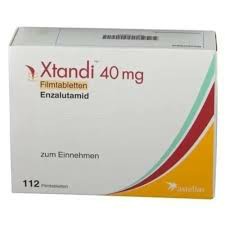
1. Sexual interest: For 30% of patients, the median time spent on enzalutamide was 8.5 months, while the median time on leuprolide was only 5.6 months.
2. Sexual activity: In the case of reduced sexual activity, the median time in the enzalutamide group was 5.7 months, compared with 3.0 months for leuprolide, showing a better effect.
3. Satisfaction: In the evaluation of sexual life satisfaction, the enzalutamide group provided 39% of patients with a median protection of 11.1 months, while the leuprolide group only provided 5.4 months of protection.
4. Sexual function: For 33% of patients, the median for enzalutamide was 5.5 months, while the median for leuprolide was 2.9 months, showing a significant difference.
The study also showed that after 205 weeks of observation, patients treated with leuprolide experienced significantly greater deterioration in sexual interest and activity than those in the enzalutamide group. These findings further confirm the superiority of enzalutamide in preserving sexual function. Of note, sexual activity-related outcomes for men who received enzalutamide in combination with leuprolide did not show clinically significant differences from those who received leuprolide alone. This means that adding enzalutamide to androgen deprivation therapy does not impose an additional burden on sexual activity.
Overall, although nearly all participants experienced a decline in sexual function, the study results showed that deterioration in sexual function was more severe and occurred earlier in patients taking leuprolide alone. These results are consistent withConsistent analysis of prespecified patient-reported outcomes in the EMBARK study highlights enzalutamide as an effective treatment option to better preserve male sexual function during cancer treatment.
Through these studies, we can clearly understand that when facing the complex challenges of prostate cancer treatment, choosing the right drug is not only to control the disease, but also to improve the patient's quality of life, especially in the protection of sexual function. Future research may continue to explore combinations of different treatment options and how to further optimize comprehensive treatment strategies for men with prostate cancer.
References:https://www.oncologynurseadvisor.com/news/enzalutamide-vs-adt-slows-sexual-decline-prostate-cancer-bcr/
[ 免责声明 ] 本页面内容来自公开渠道(如FDA官网、Drugs官网、原研药厂官网等),仅供持有医疗专业资质的人员用于医学药学研究参考,不构成任何治疗建议或药品推荐。所涉药品可能未在中国大陆获批上市,不适用于中国境内销售和使用。如需治疗,请咨询正规医疗机构。本站不提供药品销售或代购服务。


