
.jpeg)
Study on the clinical resistance cycle and influencing factors of entrectinib
Entrectinib (Entrectinib) is a precision targeted therapy for non-small cell lung cancer. Although it works quickly in most patients and controls tumor progression for a long time, its therapeutic effect is not permanent. The so-called "resistant period" refers to the time from when a patient starts taking a drug until the tumor becomes resistant to the drug and the disease begins to progress again. According to current clinical observations and analysis of overseas literature, the resistance period to entrectinib varies between individuals, generally ranging from months to years. Some patients may even continue to take the drug for more than two years, but in rare cases it may be longer.
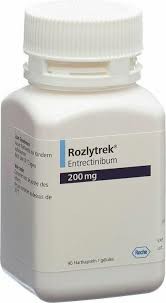
The main mechanisms of drug resistance usually include secondary mutations, changes in signaling pathway activation, heterogeneous evolution of tumor cells and other factors. During treatment with entrectinib, tumor cells with NTRK or ROS1 fusion mutations may develop new genetic changes, causing the drug to lose its inhibitory effect. For example, in NTRK-positive patients, common resistance mechanisms include changes in the fusion protein kinase domain, or cancer cells activating alternative pathways (such as MAPK, PI3K, etc.), thereby evading targeted inhibition.
Although drug resistance cannot be completely avoided, the effectiveness of the drug can still be extended through early molecular monitoring and subsequent treatment strategy adjustments. Current research is exploring combination therapy or sequential targeting strategies to delay the time to resistance. For example, some scholars have proposed that after resistance to entrectinib occurs, one can switch to a new generation of NTRK inhibitors (such as selitrectinib or repotrectinib) to further control tumor progression. In addition, regular dynamic monitoring through liquid biopsy and other means can help timely detect drug resistance-related mutations, thereby guiding precise intervention.
Overall, the resistance time to entrectinib has significant individual characteristics and cannot be simply measured in a fixed year. Patients should be closely followed up after receiving treatment with this drug, and should cooperate with molecular detection methods to dynamically monitor tumor changes.
Reference materials:https://www.roche.com/products/rozlytrek
[ 免责声明 ] 本页面内容来自公开渠道(如FDA官网、Drugs官网、原研药厂官网等),仅供持有医疗专业资质的人员用于医学药学研究参考,不构成任何治疗建议或药品推荐。所涉药品可能未在中国大陆获批上市,不适用于中国境内销售和使用。如需治疗,请咨询正规医疗机构。本站不提供药品销售或代购服务。


