
.jpeg)
Analysis of the main therapeutic effects and efficacy of enzalutamide/enzalutamide
Enzalutamide/Enzalutamide (Enzalutamide) is one of the important drugs in the current treatment of prostate cancer, especially in castration-resistant prostate cancer (CRPC) and metastatic castration-sensitive prostate cancer (mCSPC). This drug inhibits the proliferation and survival of prostate cancer cells by blocking the androgen receptor (AR) signaling pathway. It is one of the more advanced androgen receptor inhibitory drugs. Unlike traditional androgen deprivation therapy (ADT), enzalutamide not only prevents androgens from binding to receptors, but also interferes with receptors entering the nucleus and preventing them from activating gene transcription activities required for cancer cell growth, giving it an advantage in multi-stage inhibition of cancer cells.
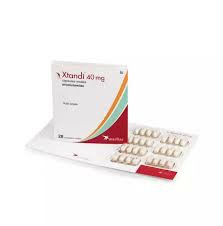
Enzalutamide was initially approved to treat patients with castration-resistant prostate cancer that has progressed and become resistant to conventional chemotherapy. Follow-up studies have shown that it also shows good efficacy in CRPC patients who have not received chemotherapy and metastatic castration-sensitive people, thus gradually expanding the scope of indications. The drug can significantly extend patients' progression-free survival and overall survival, while improving quality of life and reducing the occurrence and worsening of cancer-related symptoms. Compared with other similar drugs, enzalutamide has a longer-lasting drug effect and has strong targeting properties. The drug has a long half-life, which is conducive to maintaining stable blood concentration.
It is worth noting that there are individual differences in the efficacy of enzalutamide in different groups of people, so clinical treatment strategies often need to be adjusted according to patient tolerance. Some patients may experience adverse reactions such as fatigue, high blood pressure, and increased risk of epilepsy during use, but most are controllable or reversible. Doctors usually combine the patient's condition, imaging evaluation and PSA level monitoring to comprehensively judge the efficacy and risks, and then formulate an individualized medication plan.
Reference materials:https://www.xtandi.com/
[ 免责声明 ] 本页面内容来自公开渠道(如FDA官网、Drugs官网、原研药厂官网等),仅供持有医疗专业资质的人员用于医学药学研究参考,不构成任何治疗建议或药品推荐。所涉药品可能未在中国大陆获批上市,不适用于中国境内销售和使用。如需治疗,请咨询正规医疗机构。本站不提供药品销售或代购服务。


