
.jpeg)
Ibrutinib/lenalidomide/rituximab produces long-term efficacy in reperfusion therapy of MCL
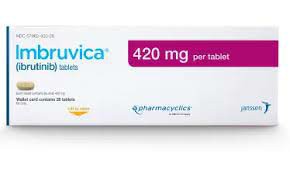
Based on publishedPhilemon Long-term follow-up results of the phase 2 trial (NCT02460276), ibrutinib/Ibrutinib (Ibrutinib) combined with lenalidomide (Lenalid omide) and rituximab (IR2) produced durable responses in patients with relapsed/refractory mantle cell lymphoma (MCL), including initial activity in patients with TP53 mutations.
In the trial, the median follow-up period was 92 months (interquartile range [IQR], 88.2-96.9), the median progression-free survival (PFS) among evaluable patients (n=50) was 17.4 months (IQR, 5.3-80.5), and the maximum duration of PFS was 8.1 years. The 1-year progression-free survival rate was 62% (95%CI, 61%-86%). Additionally, the median overall survival (OS) was 45.3 months (IQR, 11.3 - not applicable [NA]). Philemon's survival outcomes were compared with a matched patient cohort from MCLcompcomplete, a population-based cohort from Sweden that includes patients with relapsed/refractory MCL who primarily receive chemotherapy. The analysis showed that compared with the MCLcomplete group, patients treated with Philemon had better survival rates both before and after cohort matching.
Study demonstratesthe long-term efficacy of IR2 regimen in patients with relapsed/refractory MCL and highlights that lower global health status [GHS] is associated with worse OS. The superior survival and durable responses observed in the IR2 cohort compared with matched population-based cohorts support the efficacy of non-chemotherapy agents in patients with relapsed/refractory MCL.
PFS and OS are the primary endpoints of this study. Secondary endpoints include overall response rate (ORR) and late adverse effects (AE). The main study results showed that ibrutinib combined with lenalidomide and rituximab had an ORR of 86% (95% CI, 73.3%-93.6%) and was active in patients with TP53 mutation disease.
Other long-term efficacy findings for Philemon, Median duration of response (DOR) was 39.9 months (IQR, 10.0-NA). Among the 4 patients who had previously received ibrutinib, 2 patients had a partial response to the IR2 regimen, with DORs of 2.3 months and 3.2 years respectively. Two additional patients with prior ibrutinib exposure had progressive disease. Among 11 patients with TP53 mutations, the 1-year PFS rate was 55% (95% CI, 32%-94%) and the ORR was 79%. One of the patients with a TP53 mutation had no recurrence at the end of follow-up, and the PFS lasted 7.3 years. Of note, this patient underwent allogeneic stem cell transplantation immediately after IR2.
The survival results of the TP53 mutant population and the TP53 wild-type population were close to significance (OS, P=0.09; PFS, P=0.13). Adjusted univariable and multivariable Cox regression analyzes showed that TP53 mutation status was not significantly associated with prognosis of PFS or OS. However, the researchers observed an increased risk of progression in patients with TP53 mutations (HR for PFS, 2.09; 95% CI, 0.95-4.62; P=0.068). This suggests that the IR2 regimen has initial activity in patients with TP53-mutated [disease], but [the combination] cannot fully overcome the poor prognosis.
Disease characteristics associated with poorerOS outcomes included high- and intermediate-risk MIPI scores, GHS/quality of life (QOL) scores below the median, and receipt of more than 1 prior therapy. However, the log-rank test and univariate analysis showed that only high-risk and intermediate-risk MIPI scores were significant prognostic features compared with low-risk MIPI scores (P=0.041) and QOL scores below the median (P=0.016). Adjusted univariable and multivariable Cox regression models also showed that patients with scores below the median had worse quality of life (HR, 2.53; 95% CI, 2.53-5.80; P=0.028). Of note, patients with quality of life scores below the median tended to be slightly older, have higher MIPI scores, and have lower Ann Arbor stage than patients with higher quality of life scores; however, none of these differences were statistically significant.
In addition, quality of life was not significantly related toPFS. However, univariate Cox regression analysis showed that patients with quality of life, emotional function, cognitive function, fatigue, and pain scores below the median had significantly worse OS outcomes compared with patients with higher scores, suggesting that [quality of life] is more related to OS than in predicting post-treatment PFS in the relapse setting. When stratifying patients by prior line of therapy, the researchers observed no significant difference in PFS between patients who had received more than 1 prior line of therapy and those who had received only 1 prior line of therapy (P=0.18). The 5-year recurrence-free survival rate was 28%, and one patient who was recurrence-free within 5 years had a TP53 mutation.
A total of 31 patients experienced disease progression after receiving the IR2 regimen, and 23 patients received subsequent treatments, including bendamustine plus rituximab (BR; 21%), radiation alone (21%), and venetoclax-based regimens (21%). Among patients who received subsequent treatment, the median OS from the first treatment after the IR2 regimen to death or last follow-up was 9.3 months (95% CI, 5.9-NA).
Among the patients with TP53 mutations, 2 received subsequent treatment after IR2. One of the patients received venetoclax in combination with lenalidomide and rituximab 3 years after IR2 and subsequently received CAR-T cell therapy. Another patient received multiple subsequent treatments, including acalabrutinib (Calquence) plus BR, and venetoclax plus outuzumab ; the patient died 3 years after enrollment.
Reference materials:https://www.onclive.com/view/ibrutinib-lenalidomide-rituximab-yields-long-term-efficacy-in-r-r-mcl
[ 免责声明 ] 本页面内容来自公开渠道(如FDA官网、Drugs官网、原研药厂官网等),仅供持有医疗专业资质的人员用于医学药学研究参考,不构成任何治疗建议或药品推荐。所涉药品可能未在中国大陆获批上市,不适用于中国境内销售和使用。如需治疗,请咨询正规医疗机构。本站不提供药品销售或代购服务。


