
.jpeg)
Akatinib/Acalatinib-octuzumab provides superior PFS to chemotherapy in CLL
Acalabrutinib/obinutuzumab combination therapy showed significant advantages in progression-free survival (PFS) for patients with treatment-naïve (TN) chronic lymphocytic leukemia (CLL), according to a published 6-year follow-up study. This research not only provides a new perspective on the treatment of CLL, but also brings new hope to patients with high-risk characteristics.
The ELEVATE-TN study is a multi-center, randomized, controlled phase 3 clinical trial, covering 142 centers around the world, with a total of 535 adult CLL patients receiving treatment for the first time. The primary purpose of the study was to compare the efficacy of acotinib-octuzumab combination therapy with traditional chemoimmunotherapy. The study results showed that in patients with TN CLL, acotinib-octuzumab combination therapy significantly prolonged PFS and overall survival (OS) compared with chemoimmunotherapy, and this phenomenon was not affected by the high-risk characteristics of the patients.
Results showed that patients with high-risk genomic signatures responded less well to chemoimmunotherapy, which was confirmed in the study. BTK inhibitors (such as acotinib) combined with chemoimmunotherapy can provide better clinical responses in these high-risk patients. In this trial, patients with uIGHV, del(17p) and/or TP53 mutations and high clonality were treated with acotinib-octuzumab, and their PFS was significantly better than that of patients treated with phenylbutyrate-octuzumab.
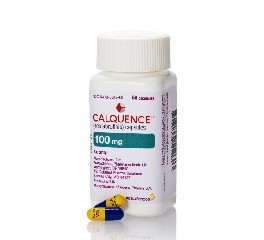
Additionally, the study delves into safety and efficacy metrics. Although ELEVATE-TN focused primarily on the comparison of acotinib-octuzumab with phenylbutyric acid-octuzumab on PFS, the research team also analyzed the effects of acotinib alone and in combination with otuzumab. This is because there is a relative paucity of available evidence on such combination treatments in the field of CLL, so the implications of this study are huge.
The data showed significant differences between patients who received acotinib monotherapy and those who received acotinib-octuzumab combination therapy. Among the former patients who achieved complete remissionPFS was significantly lower than the latter, and the objective response rate of patients receiving combination therapy was also significantly improved. Specifically, patients who received the combination therapy had a 42% reduction in their risk of disease progression or death, which provides doctors with an important basis for formulating treatment plans.
At a median follow-up period of 74.5 months, patients who received acolitinib-octuzumab still demonstrated better outcomes, including longer overall survival, than patients who received phenylbutyric acid-octuzumab. This finding has far-reaching implications for clinical practice, suggesting that doctors should consider the combined benefits of acotinib and octuzumab when selecting treatment options for patients with previously untreated CLL.
Overall, this study supports the rationale for long-term administration of acotinib-octuzumab in treatment-naive patients with CLL. Not only that, the study also highlighted the potential value of BTK inhibitors in high-risk patients, laying the foundation for future clinical research. As the treatment of chronic lymphocytic leukemia continues to deepen, acotinib and its combination therapy may become a new standard of treatment, bringing good news to more patients.
Future research should continue to focus on the differences in response among patients with different genomic profiles and explore more combination treatment options in order to find more effective treatment strategies. At the same time, the research team also recommends close monitoring of patient safety in clinical applications to ensure the best effect of treatment. Overall, the ELEVATE-TN study provides valuable reference for the treatment of chronic lymphocytic leukemia and promotes progress in this field.
Reference materials:https://www.hematologyadvisor.com/news/chronic-leukemia-cll-acalabrutinib-obinutuzumab-offers-survival-treatment/
[ 免责声明 ] 本页面内容来自公开渠道(如FDA官网、Drugs官网、原研药厂官网等),仅供持有医疗专业资质的人员用于医学药学研究参考,不构成任何治疗建议或药品推荐。所涉药品可能未在中国大陆获批上市,不适用于中国境内销售和使用。如需治疗,请咨询正规医疗机构。本站不提供药品销售或代购服务。


