
.jpeg)
Will dacomitinib/dacomitinib be included in medical insurance in 2025?
Dacomitinib/Dacomitinib (Dacomitinib), as a second-generation EGFR tyrosine kinase inhibitor, has gradually shown clinical value in the treatment of non-small cell lung cancer (NSCLC) in recent years. The drug was originally developed by Pfizer and is mainly suitable for first-line treatment of patients with advanced or metastatic non-small cell lung cancer with EGFR-sensitive mutations (such as Exon19 deletion or L858R mutation). After being officially approved for marketing in China in 2019, it is regarded as a new first-line treatment option due to its mechanism of irreversible inhibition of EGFR and HER2, HER4 and other receptors. Entering 2025, dacomitinib has been officially included in the Chinese Medical Insurance Directory (Category B), marking a significant increase in the accessibility and economics of this imported original drug in the Chinese market.
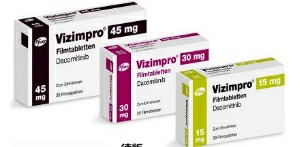
Currently, the common market size of dacomitinib in China is 15 mg × 30 tablets. The price after medical insurance is controlled at about more than one thousand yuan per box, which is significantly lower than the selling price of several thousand yuan before medical insurance. Medical insurance coverage not only reduces the financial burden on patients, but also increases the flexibility of clinicians when choosing treatment options. It should be noted that as a Class B medical insurance drug, the medical insurance reimbursement of dacomitinib may still be affected by local policies, the execution time of the medical insurance negotiation catalog, and the specific insurance type of the patient. Some areas may still need to pay a certain proportion of the cost out of pocket. The specific reimbursement ratio needs to refer to the regulations of the local medical insurance bureau or hospital.
Inclusion in medical insurance also means that the use of the drug will be more standardized. In most provinces and cities, before starting dacomitinib treatment, patients need to be prescribed by a qualified medical institution and undergo EGFR gene mutation testing to confirm the medication to ensure accurate and effective medication. In addition, doctors will also formulate individualized dosage adjustment strategies based on patients' individual differences, liver and kidney function status, and complications to improve efficacy and reduce adverse reactions.
Reference materials:https://www.pfizer.com/products/product-detail/vizimpro
[ 免责声明 ] 本页面内容来自公开渠道(如FDA官网、Drugs官网、原研药厂官网等),仅供持有医疗专业资质的人员用于医学药学研究参考,不构成任何治疗建议或药品推荐。所涉药品可能未在中国大陆获批上市,不适用于中国境内销售和使用。如需治疗,请咨询正规医疗机构。本站不提供药品销售或代购服务。


