
.jpeg)
Gosatolizumab/Todavir shows modest activity against CNS metastases
In a small, real-world study of patients with HER2-negative or triple-negative metastatic breast cancer and central nervous system metastases, gosatolizumab/Trodelvy (SG) demonstrated modest central nervous system (CNS) activity, according to a study published in . One-quarter of patients with metastatic breast cancer develop central nervous system metastases, including brain metastases and leptomeningeal disease (LMD), with varying incidence rates among different subtypes.
Currently, there is no Food and Drug Administration (FDA)-approved systemic therapy that can effectively improve progression-free survival (PFS) or overall survival (OS) in patients with active or stable HER2-negative brain metastases. In this study, researchers retrospectively analyzed the status of 33 patients with hormone receptor-positive, HER2-negative, or triple-negative metastatic breast cancer and central nervous system metastasis. Patient data were obtained from the Dana-Farber Cancer Institute's metastatic breast cancer patient database.
Among the patients included in the study, 21.2% had active CNS metastases, 54.5% showed stable or controlled CNS metastases after treatment, and 24.3% of the patients were diagnosed with LMD. These patients underwent multiple pretreatments before receiving SG treatment, demonstrating the complexity of their condition and the challenge of treatment. Additionally, the study's median follow-up was 6.7 months, illustrating the importance of long-term follow-up of these patients.
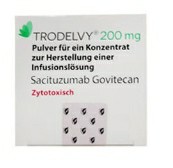
The study results showed that the overall central nervous system response rate was 12.5% for patients with treated/stable brain metastases, while the rate for patients with active brain metastases was 0%. Among HR-positive/HER2-negative patients, the overall response rate was 11.1%, compared with 14.3% among triple-negative patients. These data suggest that the efficacy of SG varies among different patient groups, particularly with lower efficacy in patients with active brain metastases.
In terms of clinical benefit, the study first defined"central nervous system clinical benefit rate," which is response plus stable disease lasting six months or longer. The results showed that for patients with treated/stable brain metastases, the rate was 37.5%; for patients with active brain metastases, the rate dropped to 14.3%. For LMD patients, the overall central nervous system response rate was 28.6%, while the clinical benefit rate was 14.3%. These data further highlight that patients with LMD may respond better when treated with SG.
Median CNS progression-free survival for all patients (PFS) was 2.9 months. This rate increased among patients with stable brain metastases with a median follow-up of 3.4 months, and decreased slightly to 1.9 months among patients with active brain metastases. Of note, the median PFS for patients with LMD was 2.1 months. These figures highlight differences in survival among different patient groups receiving the same treatment, reflecting the complex relationship between pathological characteristics and treatment response.
Although the overall results showed certain limitations, the researchers noted that three patients showed unusually good responses toSG, with bicompartmental progression-free survival exceeding 10 months. Based on these individual cases, the research team believes that although SG shows modest activity in patients with active and stable/therapeutic central nervous system metastases, it appears to be potentially effective in patients with LMD. This suggests that in future research, it may be necessary to explore more deeply the individual characteristics of patients and how to optimize treatment plans in order to improve treatment effects.
References:https://www.docwirenews.com/post/sacituzimab-govitecan-showed-modest-activity-for-cns-metastases
[ 免责声明 ] 本页面内容来自公开渠道(如FDA官网、Drugs官网、原研药厂官网等),仅供持有医疗专业资质的人员用于医学药学研究参考,不构成任何治疗建议或药品推荐。所涉药品可能未在中国大陆获批上市,不适用于中国境内销售和使用。如需治疗,请咨询正规医疗机构。本站不提供药品销售或代购服务。


