
.jpeg)
What is the correct usage and dosage of clofazimine?
Clofazimine (Clofazimine) is a phenylazine compound with antibacterial and anti-inflammatory effects. It is widely used in the treatment of leprosy , especially as one of the standard regimens in combined multidrug therapy (MDT). This drug is usually designed to be taken in the form of oral capsules, and its use needs to follow the specific guidance of a doctor, because different indications, disease stages, and individual differences will affect its dosage and duration of treatment. The correct use of clofazimine is not only related to the therapeutic effect, but also directly affects the incidence of side effects. Therefore, it is not recommended to adjust the dosage or interrupt the medication without authorization.
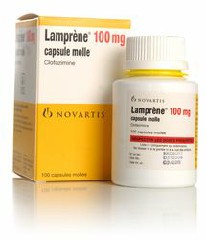
In standard therapy, clofazimine is often used in combination with other antileprosy drugs such as rifampicin and daflunamide. The dosage in adults varies according to the severity of the disease. For example, for various types of dapsone-resistant leprosy, 50 to 100 mg can be taken orally, once a day, in combination with one or several other anti-leprosy drugs; while in paucibacillary or short-course treatment regimens, the dosage may be different. For special groups such as children, those with abnormal liver and kidney function, or those with low body weight, the dosage and dosing interval also need to be adjusted individually. Clofazimine should be taken after meals to aid absorption and reduce gastrointestinal irritation. During the period of taking, patients should pay attention to maintaining a regular diet and medication time, and avoid missing doses or taking repeated doses.
Long-term use of clofazimine may cause some reversible side effects, especially skin pigmentation. Although this discoloration is harmless, it often makes patients feel psychologically uncomfortable. Therefore, the expected effects should be fully explained to patients before use. In addition, gastrointestinal reactions such as diarrhea, abdominal pain, or loss of appetite may occur, and a rare number of patients may develop crystal deposition leading to intestinal complications. Therefore, liver function, electrolyte balance and other biochemical indicators should be reviewed regularly during use, and the dose should be adjusted or the regimen changed if necessary.
Reference materials:https://www.novartis.com/our-products/pipeline/clofazimine
[ 免责声明 ] 本页面内容来自公开渠道(如FDA官网、Drugs官网、原研药厂官网等),仅供持有医疗专业资质的人员用于医学药学研究参考,不构成任何治疗建议或药品推荐。所涉药品可能未在中国大陆获批上市,不适用于中国境内销售和使用。如需治疗,请咨询正规医疗机构。本站不提供药品销售或代购服务。


