
.jpeg)
Akatinib/Acalatinib produces high ORR in Chinese patients with R/R CLL
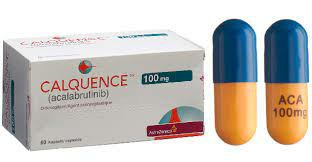
Acalabrutinib/Acalabrutinib monotherapy produced high levels of activity in Chinese patients with relapsed/refractory chronic lymphocytic leukemia (CLL), according to published results from a Phase 1/2 study (NCT03932331).
Over a median follow-up of 20.2 months (range, 1.1-28.2), the overall response rate (ORR) was 85.0% (95% CI, 73.4%-92.9%) in efficacy-evaluable patients (n=60) who received acotinib per blinded independent central review (BICR); all responses were one-sided. The median duration of response (DOR) has not been reached (NR; 95% CI, not estimable [NE]-NE). The 12-month and 18-month DOR rates were 90.1% (95%CI,71.3%-96.8%) and 80.8% (95%CI,58.8%-91.8%) respectively.
This study aimed to determine whether the safety and efficacy of acotinib in a Chinese patient population were comparable to previously reported global Phase 3 trial results, which primarily included Caucasian patients with relapsed/refractory CLL. This is particularly important because there is evidence that there are significant differences in the frequency of common genetic mutations and chromosomal abnormalities in Asian and European CLL patients.
The Phase 2 portion of the open-label study enrolled patients with relapsed/refractory CLL at 20 sites in China. Patients needed to be 18 years or older, have received at least 1 systemic therapy for CLL, and have an ECOG performance status of 2 or lower. Patients with severe cardiovascular disease or known central nervous system lymphoma/leukemia or leptomeningeal disease were excluded from the trial. Eligible patients received acotinib at a dose of 100 mg orally twice daily for 28-day cycles until disease progression, unacceptable toxicity, or any other discontinuation criteria were met.
The primary endpoint isORR assessed by BICR according to iwCLL 2018 criteria. Secondary endpoints included investigator-assessed ORR and time to response, as well as DOR, progression-free survival (PFS), and time to next treatment (TTNT).
Other findings from the trial showed that the medianPFS, OS and TTNT are all NR. The 12-month and 18-month PFS rates for each BICR were 91.5% (95% CI, 80.9%-96.4%) and 78.8% (95% CI, 60.9%-89.2%), respectively. The OS rate of both indicators was 96.7% (95%CI, 87.3%-99.2%). Data from subgroup analyzes showed that ORR was generally consistent across prespecified subgroups.
The median duration of treatment was 19.4 months (range 0.6-28.2). In terms of safety, 96.7% of patients experienced a treatment-emergent adverse effect (TEAE) of any grade, with 41.7% experiencing grade 3 or higher TEAEs. Serious TEAEs (15.0%), treatment-related serious TEAEs (13.3%), and TEAEs resulting in death were also reported. The incidence of TEAEs leading to dose interruption, modification, or discontinuation was 21.7%, 1.7%, and 3.3%, respectively.
The most common TEAEs of any grade included decreased neutrophil (40.0%), platelet (33.3%), and hemoglobin (23.3%) counts. TEAEs of grade 3 or higher included decreased neutrophil count (13.3%), upper respiratory tract infection (6.7%), and pneumonitis (6.7%).
This is the first study to evaluate the efficacy and safety of acotinib in the treatment of relapsed/refractory CLL in a Chinese patient population. The median study duration of acotinib was 20.2 months and demonstrated high ORR and durable response. Efficacy results were similar to trials in relapsed/refractory CLL in Caucasian populations.
Reference materials:https://www.onclive.com/view/acalabrutinib-produces-high-orr-in-chinese-patients-with-r-r-cll
[ 免责声明 ] 本页面内容来自公开渠道(如FDA官网、Drugs官网、原研药厂官网等),仅供持有医疗专业资质的人员用于医学药学研究参考,不构成任何治疗建议或药品推荐。所涉药品可能未在中国大陆获批上市,不适用于中国境内销售和使用。如需治疗,请咨询正规医疗机构。本站不提供药品销售或代购服务。


