
.jpeg)
Detailed interpretation of the drug instructions for entrectinib
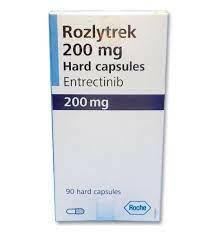
Entrectinib (Entrectinib) is a new oral targeted anti-cancer drug, mainly targeting tumor patients with specific gene fusions, and has significant cross-tumor therapeutic potential. It was developed by Roche and has been approved for marketing in many countries. It has also been introduced as an innovative drug in China. As a tyrosine kinase inhibitor targeting NTRK, ROS1 and ALK gene fusions, entrectinib has attracted widespread attention due to its precise targeting, high central penetration and broad-spectrum anti-tumor activity, especially showing good therapeutic prospects for patients with brain metastases. The following is a detailed analysis of the entrectinib drug instructions:
1. Interpretation of indications:
Entrectinib is mainly used for two major categories of patients: one is adult patients with metastatic non-small cell lung cancer (NSCLC) whose tumors need to show ROS1 gene fusion; the other is patients with solid tumors with NTRK1/2/3 fusion, which include adults and children over 1 month old. For the latter, treatment targets are not limited to specific organ types. The key lies in whether the tumor exhibits the molecular signature of NTRK fusion. Therefore, the drug has also been included in the category of "tissue-agnostic tumor treatment", that is, the drug is administered based on genetic characteristics rather than traditional pathological classification, which is an important embodiment of the concept of precision medicine.
2. Dosage usage analysis:
In the treatment of adult non-small cell lung cancer and solid tumors, the recommended dose is 600 mg taken orally once dailyand continued until disease progression or the patient cannot tolerate it. For children 12 years and older, adjust the dose according to body surface area (BSA): if the BSA exceeds 1.5 m², the dosage is 600 mg consistent with adults; if the BSA is between 1.11–1.5 m², 500 mg daily is recommended; if the BSA is between 0.91–1.1 m², use 400 mg. Because of differences in pharmacokinetics and tolerability in children, body surface area calculations are critical to ensuring safe medication use.
3. Analysis of mechanism of action:
Enrectinib primarily targets three gene fusions:NTRK, ROS1 and ALK. It blocks the proliferation and survival process of tumor cells by inhibiting the tyrosine kinase signaling pathways related to these fusion genes, especially in patients carrying NTRK fusions, showing a wide range of anti-cancer effects. In addition, entrectinib can cross the blood-brain barrier and has therapeutic potential for central nervous system metastasis. It is currently one of the few targeted drugs that is effective against brain metastasis.
4. Adverse reactions and monitoring recommendations:
Although entrectinib is a targeted drug, it may still cause certain side effects. Common adverse reactions in clinical practice include fatigue, dizziness, weight gain, dysgeusia, elevated creatine kinase, anemia and gastrointestinal discomfort. Some patients may also experience electrocardiogramQT interval prolongation or cardiac function decline, so electrocardiogram, electrolyte levels, liver and kidney function should be monitored during the initial period of medication. During long-term use, one should be vigilant about drug-related muscle damage and neurotoxicity, especially in pediatric patients, and growth and development assessment is required.
5. Precautions for use:
Patients should undergo genetic testing before using entrectinib to confirm the presenceNTRK or ROS1 fusion can be used to avoid ineffective use of the drug. In addition, this drug may interact with drugs related to the CYP3A enzyme system, so concomitant use of strong CYP3A inhibitors or inducers needs to be avoided. Female patients should avoid pregnancy while taking the drug and within five weeks after stopping the drug, and male patients should also take contraceptive measures to prevent the drug from affecting reproductive cells.
Reference materials:https://www.roche.com/products/rozlytrek
[ 免责声明 ] 本页面内容来自公开渠道(如FDA官网、Drugs官网、原研药厂官网等),仅供持有医疗专业资质的人员用于医学药学研究参考,不构成任何治疗建议或药品推荐。所涉药品可能未在中国大陆获批上市,不适用于中国境内销售和使用。如需治疗,请咨询正规医疗机构。本站不提供药品销售或代购服务。


