
.jpeg)
What are the common adverse reactions of brigatinib/brigatinib?
Brigatinib/Brigatinib (Brigatinib) is an oral second-generation ALK tyrosine kinase inhibitor that is widely used to treat patients with non-small cell lung cancer (NSCLC) carrying ALK gene rearrangements, especially for patients who are resistant to crizotinib. Although brigatinib has shown strong efficacy in prolonging survival and controlling tumor progression, it may still be accompanied by certain adverse reactions during the treatment process, and patients and doctors need to remain highly vigilant about this.
The most common adverse reactions of brigatinib are mainly concentrated in the digestive tract, musculoskeletal system and respiratory system. Among them, nausea, vomiting, diarrhea and loss of appetite are common gastrointestinal reactions. Although most of them are mild to moderate, their persistence may affect the patient's medication compliance. For some patients, these symptoms can be alleviated by adjusting their diet and using antiemetic drugs. Muscle weakness or elevated creatine kinase are also common laboratory index changes, especially in the early stages of treatment, which need to be monitored by regularly testing creatine kinase (CK) levels.
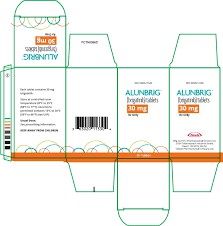
In addition, one of the more special adverse reactions of brigatinib is lung-related discomfort. Some patients may experience interstitial lung disease-like symptoms in the early stages of treatment, such as cough, shortness of breath, hypoxia and even pneumonia-like changes. Although the incidence of these conditions is not high, due to their potential seriousness, sufficient attention needs to be paid. It is usually recommended to closely monitor lung function changes in the early stages of treatment and promptly discontinue the drug or adjust the dose when abnormal symptoms occur.
Visual disturbances, hypertension, and bradycardia are other adverse reactions that may occur with long-term use of brigatinib. Visual changes may manifest as blurred vision, light and shadow interference, etc. Although most of them are mild, their persistence may affect the quality of life. Elevated blood pressure requires combined antihypertensive treatment to control the risk, while bradycardia usually requires individualized assessment in conjunction with ECG monitoring.
Reference materials:https://www.alunbrig.com/
[ 免责声明 ] 本页面内容来自公开渠道(如FDA官网、Drugs官网、原研药厂官网等),仅供持有医疗专业资质的人员用于医学药学研究参考,不构成任何治疗建议或药品推荐。所涉药品可能未在中国大陆获批上市,不适用于中国境内销售和使用。如需治疗,请咨询正规医疗机构。本站不提供药品销售或代购服务。


