
.jpeg)
The therapeutic efficacy and pharmacological effects of dacomitinib/dacomitinib tablets
Dacomitinib/Dacomitinib (Dacomitinib) is a second-generation oral irreversible epidermal growth factor receptor tyrosine kinase inhibitor (EGFR-TKI), mainly used to treat patients with non-small cell lung cancer (NSCLC) carrying EGFR sensitive mutations. The drug was developed by Pfizer, with the trade name "Vizimpro". It has been approved by drug regulatory agencies in many countries, including China and the United States, and is used for the first-line treatment of advanced or metastatic EGFR-mutated lung cancer. As a member of EGFR-targeted therapeutic drugs, dacomitinib has demonstrated its unique pharmacological advantages and therapeutic potential in many aspects.
From a pharmacological mechanism, dacomitinib is an oral, targeted, irreversibly binding panHER inhibitor that can simultaneously inhibit the kinase activity of three receptors: EGFR (HER1), HER2 and HER4. This irreversible binding mechanism means that it can form a covalent bond, bind to the receptor for a long time, block cell signaling, and thereby inhibit the growth and proliferation of tumor cells. Compared with first-generation EGFR-TKIs such as Gefitinib or Erlotinib, dacomitinib has a higher affinity for the receptor. At the same time, due to its wider spectrum of action, dacomitinib may theoretically overcome some of the EGFR pathway resistance problems.
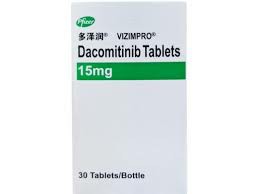
Dacomitinib is mainly used for the first-line treatment of NSCLC patients with sensitive mutations in the EGFR gene (such as Exon 19 deletion and Exon 21 L858R point mutation). It is regarded as one of the alternatives to the first-generation EGFR-TKI in clinical application. Although the third-generation TKI Osimertinib has also attracted much attention in clinical practice because it can inhibit the T790M resistance mutation, dacomitinib still has the potential to have significant survival benefits for some patients due to its unique pan-HER inhibitory mechanism. Especially for patients with EGFR mutated lung cancer who have not yet developed drug resistance mutations, dacomitinib can delay the development of drug resistance after first-line treatment and leave more room for subsequent treatment.
From the perspective of treatment effect, dacomitinib can effectively delay disease progression, improve tumor control rate, and extend progression-free survival (PFS). Although each patient's response to targeted therapy varies greatly, overall dacomitinib has shown higher response rates and longer disease control times in patients with initial EGFR mutation-positive NSCLC. In addition, some studies have also found that dacomitinib has strong penetration ability in patients with brain metastases, which may provide certain advantages in controlling central nervous system diseases. This is also an important indicator when evaluating the efficacy of targeted drug treatment.
However, the adverse reactions of dacomitinib are relatively obvious. Although its pharmacological mechanism brings strong inhibition, it also affects the physiological functions of normal epithelial cells. Common side effects include rash, diarrhea, oral mucositis, Sjogren's syndrome, etc. Although these discomforts are usually controllable or reversible, they may still affect the patient's quality of life. During the treatment process, patients need to be reviewed regularly and make dose adjustments or drug suspensions under the guidance of their doctors to maintain the balance between efficacy and tolerance. Therefore, the therapeutic effect of dacomitinib not only depends on its own pharmacological properties, but also is affected by individual differences in patients, genetic background and comprehensive management level.
As the treatment of lung cancer gradually enters the era of molecular classification and precision medicine, dacomitinib, as an important representative of panHER inhibitors, has shown good survival benefits and predictable efficacy in specific groups of people. Despite its relatively high number of adverse effects, with appropriate management and monitoring, most patients can achieve treatment goals and achieve long-term disease control.
Reference materials:https://www.pfizer.com/products/product-detail/vizimpro
[ 免责声明 ] 本页面内容来自公开渠道(如FDA官网、Drugs官网、原研药厂官网等),仅供持有医疗专业资质的人员用于医学药学研究参考,不构成任何治疗建议或药品推荐。所涉药品可能未在中国大陆获批上市,不适用于中国境内销售和使用。如需治疗,请咨询正规医疗机构。本站不提供药品销售或代购服务。


