
.jpeg)
How effective is Roflumilast-DALIRESP?
Roflumilast Tablets (Roflumilast)-DALIRESP is a new drug used to treatchronic obstructive pulmonary disease (COPD; COPD). Its main mechanism of action is to reduce the inflammatory response of the airways by inhibiting an enzyme called phosphodiesterase-4 (PDE4), thereby improving the patient's lung function and quality of life. Studies in recent years have shown that roflumilast has significant efficacy in controlling chronic obstructive pulmonary disease.
According to relevant clinical trial data, roflumilast tablets500 micrograms are significantly more effective than placebo. In a study involving more than 3,000 patients with severe COPD, researchers observed that patients taking roflumilast had significantly greater improvements in respiratory function over a year of treatment than those taking a placebo. Specifically, patients taking roflumilast experienced an average increase in forced expiratory volume (FEV1) of 40 milliliters after one year, while those receiving placebo experienced a 9 milliliter decrease. FEV1 is an important indicator for evaluating lung function. It can reflect the patency of the airways and the health of the lungs. Therefore, this data shows the effectiveness of roflumilast in improving lung function.
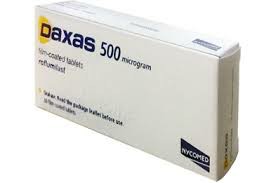
In addition to improvements in lung function, roflumilast has also shown positive effects in reducingacute exacerbations in COPD patients. In the study, patients taking roflumilast experienced an average of 1.1 episodes of moderate or severe disease over a year, compared with 1.4 episodes in the placebo group. This result means that long-term use of roflumilast may help reduce the frequency of exacerbations in patients with COPD and improve their quality of life.
In another 12-week study comparing different doses of roflumilast, it was found that patients who started treatment at 250 mcg per day had a significantly lower rate of withdrawal from the study than those who started at 500 mcg per day. This reminds us that although high doses of roflumilast may have certain advantages in improving lung function, the incidence of side effects is higher, leading to more patients dropping out. Therefore, lower-dose regimens may be more acceptable to patients, especially in the initial phase. This is also an important manifestation of individualized treatment. Different patients have different tolerances and reactions to drugs. Doctors need to comprehensively consider the specific conditions of patients in clinical practice and choose appropriate medication strategies.
Although the efficacy of roflumilast has been confirmed in multiple studies, its potential side effects still need to be paid attention to in clinical applications. For example, some patients may experience gastrointestinal discomfort, insomnia, headache and other symptoms when taking roflumilast, and these side effects may affect patient compliance. Therefore, when carrying out treatment, doctors should fully communicate with patients about possible side effects and what measures should be taken when discomfort occurs.
In general, roflumilast tablets, as a new drug, have shown good efficacy in the treatment of chronic obstructive pulmonary disease, especially in improving lung function and reducing acute exacerbations of the disease. However, when using this drug, clinicians should formulate individualized treatment plans based on the patient's actual situation, taking into account both efficacy and safety, to ensure that patients can benefit from it and improve their quality of life.
Reference materials:https://www.ema.europa.eu/en/medicines/human/EPAR/daxas
[ 免责声明 ] 本页面内容来自公开渠道(如FDA官网、Drugs官网、原研药厂官网等),仅供持有医疗专业资质的人员用于医学药学研究参考,不构成任何治疗建议或药品推荐。所涉药品可能未在中国大陆获批上市,不适用于中国境内销售和使用。如需治疗,请咨询正规医疗机构。本站不提供药品销售或代购服务。


