
.jpeg)
Analysis of the efficacy and role of Pimitespib targeted drugs
Pimitespib (Pimitespib) is a new type of oral heat shock protein 90 (HSP90) inhibitor. It is mainly used to treat solid tumors such as gastric cancer, especially in patients after failure of traditional treatment options. As a member of the targeted drugs, pimetibi intervenes in the survival pathways of tumor cells through a unique mechanism of action. It has been approved in Japan for the treatment of advanced gastric cancer and is undergoing clinical research in many countries. This article will conduct a comprehensive analysis of this drug from four aspects: mechanism of action, clinical efficacy, suitable population and usage prospects.
First of all, the target of pimetibib isHSP90 protein. HSP90 is a molecular chaperone widely present in cells, which plays a role in stabilizing and folding proteins under cellular stress conditions. Cancer cells often rely on HSP90 to maintain a variety of oncogenic proteins (such as HER2, EGFR, < span>ALK, VEGFR, etc.), therefore inhibiting HSP90 can lead to the degradation of these oncogenic proteins, thereby inhibiting tumor growth. As an HSP90 inhibitor, pimetibib can selectively target HSP90 overexpressed in tumor cells and destroy its stable molecular chaperone system, thereby leading to cancer cell apoptosis. Unlike traditional chemotherapy, HSP90 inhibitors do not target a specific mutation, but broadly affect multiple oncogene signaling pathways. Therefore, they have certain therapeutic advantages in tumors with obvious molecular heterogeneity.
Secondly, judging from the results of clinical trials, pimetibi has shown certain efficacy in the treatment of gastric cancer. According to data from Japan's phase III clinical trial (CHAPTER-GI trial), for patients with advanced gastric cancer who have received two or more lines of chemotherapy, the median progression-free survival (PFS) of the pimotebib group was ) is approximately 2.5 months, and the median overall survival (OS) is 5.9 months, which is significantly longer than the placebo group and has statistical significance. Although its prolongation of survival time is relatively limited, it still provides patients with new treatment hope in advanced gastric cancer where treatment options are scarce. At the same time, the toxicity of pimetibib is relatively controllable. Common adverse reactions include diarrhea, fatigue, loss of appetite, and anemia. Most of them are grade 1 to 2. There are few serious side effects, making it a relatively mild treatment option for elderly patients or those with weak constitutions.
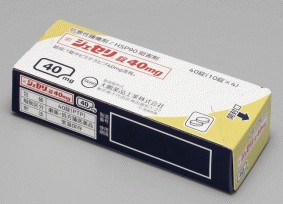
Once again, the indications of pimotebib are gradually being expanded. At present, it is mainly used for the third-line treatment of advanced gastric cancer. However, because the HSP90 protein is highly expressed in a variety of tumors, researchers are also exploring the potential of this drug in other solid tumors such as liver cancer, colorectal cancer, breast cancer, non-small cell lung cancer, and melanoma. In addition, because HSP90 also plays an important role in the mechanism of drug resistance, it is expected to be used in combination with a variety of targeted drugs and immunotherapy to enhance treatment response or overcome drug resistance. For example, studies have explored the efficacy of pimetibi combined with anti-HER2 drugs, EGFR inhibitors and even immune checkpoint inhibitors, which provides more possibilities for personalized treatment in the future.
Finally, although the global application of pimetibi is still in its early stages, its novel mechanism, wide range of targets, and controllable toxicity have brought a new idea to the field of targeted therapy. Especially in tumor types such as gastric cancer where traditional treatments are ineffective and targeted drugs are scarce, the advent of pimotebi has filled an important gap. In the future, with the accumulation of more clinical data, if breakthroughs can be made in improving efficacy or combining strategies, pimetibi is expected to be more widely used in a variety of tumor indications.
To sum up, as a targeted inhibitor of HSP90, pimetibi has shown certain potential in the treatment of various tumors such as gastric cancer due to its unique mechanism and good tolerability. Although there is still room for improvement in its efficacy, it provides a new clinical treatment path, which is of practical significance especially for third-line and above patients with limited treatment options. As more research advances, pimetibib is expected to become an important addition to anti-tumor targeted therapies.
Reference materials:https://www.mt-pharma.co.jp/e/company/rd/pipe/
[ 免责声明 ] 本页面内容来自公开渠道(如FDA官网、Drugs官网、原研药厂官网等),仅供持有医疗专业资质的人员用于医学药学研究参考,不构成任何治疗建议或药品推荐。所涉药品可能未在中国大陆获批上市,不适用于中国境内销售和使用。如需治疗,请咨询正规医疗机构。本站不提供药品销售或代购服务。


