
.jpeg)
Is there any obvious reaction after discontinuing ritexitinib?
Ritlecitinib is a selective Januskinase 1 (JAK1) inhibitor, mainly used to treat moderate to severe atopic dermatitis (Atopic Dermatitis) patients. As a targeted immunosuppressive drug, ritexitinib reduces the inflammatory response and overactivity of the immune system by inhibiting the JAK1 signaling pathway, thereby alleviating the symptoms of atopic dermatitis. For patients taking rituxitinib, the response after discontinuation will vary based on individual differences and treatment regimens.
In some patients, there may be some return of symptoms after discontinuation of ritexitinib, particularly in those whose symptoms were previously effectively controlled by medications. Because ritexitinib inhibits key pathways of the immune system, long-term use can effectively alleviate the inflammatory response of atopic dermatitis. However, once the drug is discontinued, the immune system may return to a more active state, causing skin inflammation and itching to re-exacerbate. This response is similar to the withdrawal effect of many immunosuppressive drugs, and patients may experience a return of symptoms days to weeks after stopping the drug.
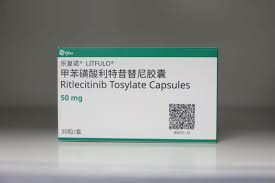
However, not all patients who discontinue medication experience a significant rebound in symptoms. Some patients may maintain a more stable skin condition after discontinuing medication, especially if symptoms are fully controlled during medication. Whether there is an obvious reaction after stopping the drug is closely related to the individual's immune status, the duration of treatment and the severity of the disease. Some patients' immune systems may have adapted to the treatment so that their skin symptoms worsen less or may even remain in remission for longer after the drug is discontinued.
When it comes to post-drug management, doctors often provide individualized advice based on the patient's specific condition. For some patients whose symptoms may relapse, doctors may recommend gradually reducing the dose of the drug rather than stopping it suddenly to reduce adverse reactions after stopping the drug. In addition, the doctor may also recommend that the patient continue to maintain certain skin care after stopping the drug to avoid external stimulation and help reduce the risk of recurrence. In general, the reaction after stopping ritixitinib varies from person to person. Patients should maintain close communication with their doctors and adjust the treatment plan in a timely manner.
Reference materials:https://www.litfulo.com/
[ 免责声明 ] 本页面内容来自公开渠道(如FDA官网、Drugs官网、原研药厂官网等),仅供持有医疗专业资质的人员用于医学药学研究参考,不构成任何治疗建议或药品推荐。所涉药品可能未在中国大陆获批上市,不适用于中国境内销售和使用。如需治疗,请咨询正规医疗机构。本站不提供药品销售或代购服务。


