
.jpeg)
How is Asciminib different from orebatinib?
Asciminib and orebatinib (Orelabrutinib) are two targeted drugs that have potential in treating certain types of cancer. Although they have all made significant progress in the treatment of tumors, especially in the fields of targeted therapy and immunotherapy, their mechanisms of action, indications, clinical applications and side effects are different. Here's a detailed comparison of the two drugs.
1. Drug categories and mechanisms of action
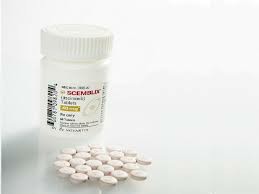
Asciminib (Asciminib) is a targeted drug targeting ABL1 tyrosine kinase and is a new type of BCR-ABL1 inhibitor. It is specifically designed to target a specific target of BCR-ABL1 - the T315I mutation. The T315I mutation is a common drug-resistant mutation in chronic myelogenous leukemia (CML) and other leukemias. Conventional TKI (such as imatinib, dasatinib) has limited effect on it. Aceminib prevents tumor cell proliferation by selectively inhibiting the ABL1 tyrosine kinase and has a stronger ability to combat this mutation.
In contrast, Orelabrutinib (Orelabrutinib) is a BTK (Brutontyrosine kinase ) inhibitor, mainly used to treat B cell-related lymphoid system tumors, such as chronic lymphocytic leukemia (CLL) and other B cell malignant tumors. BTKplays a key role in the signaling of B cells, especially in the B cell receptor signaling pathway. By inhibiting BTK, orebatinib can effectively interfere with the growth and survival of B cells, thereby combating B cell-related cancers.
2. Clinical indications
Aximini is mainly used to treat chronic myeloid leukemia (CML) and acute myeloid leukemia (AML). Its main targets areBCR-ABL1positive patients, especially those with theT315I mutation. For these patients, traditional tyrosine kinase inhibitors (TKI) such as imatinib often fail due to drug resistance, while aximinib can overcome these drug-resistant mutations and provide better efficacy. Aceminib has been approved for the treatment of CML patients with these drug-resistant mutations, showing superior efficacy particularly in second- or third-line treatment.
Orebatinib is a targeted treatment drug for B cell-related malignant tumors, especially suitable for chronic lymphocytic leukemia (CLL), mantle cell lymphoma ( MCL), primary central nervous system lymphoma (PCNSL) and other B cell malignant tumors. Due to the key role of BTK, orebatinib has important advantages in inhibiting the B cell receptor (BCR) signaling pathway. It can effectively slow down the proliferation of tumor cells and prevent the malignant transformation of B cells. It is suitable for patients who are refractory to traditional chemotherapy, especially those who are resistant to BTK inhibitor treatment.
3. Side Effects and Tolerability
Aximini has certain advantages in side effects compared with traditionalTKI. Common side effects include low white blood cell counts, anemia, liver function abnormalities, and headaches, but these are usually mild and well tolerated by most patients. The use of aceminib sometimes requires periodic blood tests, especially early in treatment, to monitor hematological response. Because Asiminib selectively inhibits ABL1 tyrosine kinase, it has a smaller range of side effects. Compared with traditional TKI drugs, it has less impact on normal cells and is therefore better tolerated.
In contrast, although orebatinib has shown significant efficacy in the treatment of B cell-related tumors, it also has certain side effects, especially those related to immunosuppression. Common adverse reactions include bleeding, low platelets, abnormal liver function, diarrhea, etc. Long-term use of orebatinib may increase the risk of infection because it suppresses the immune function of B cells. Therefore, patients' immune status and liver and kidney function need to be closely monitored when using orebatinib.
4. Future Prospects and Development
As a new type of BCR-ABL1 inhibitor, its potential in the treatment of CML has been verified. Aceminib may have a role in treating more types of leukemia in the future, especially when traditional TKI treatments fail. Due to its highly selective inhibition of the T315I mutation, aceminib may become a key treatment for multidrug-resistant leukemias. As more clinical data accumulates, the scope of use of aceminib may be further expanded.
Orebatinib also performs extremely well in B cell-related tumors, especially in the treatment of CLL, MCL and other diseases, showing good efficacy and tolerability. As research continues, orebatinib may find further use in other types of lymphoma. In addition, with the competition in the BTK inhibitor market, orebatinib, as a new generation drug, has a lower incidence of drug resistance and may have certain advantages in treating drug-resistant or relapsed cases.
Although aximinib and orebatinib are both targeted drugs, they target different molecular targets and are used in different types of cancer. Aceminib is mainly used to treat leukemias carrying BCR-ABL1 mutations, especially T315I mutation-positive patients; while orebatinib focuses on< The treatment of /span>B cell malignancies, especially in diseases such as CLL and MCL. Although both have their own advantages in treatment, patients need to decide on the most appropriate drug based on their doctor's advice and their own condition when choosing a treatment option. As these two drugs undergo further research and clinical trials, their use in targeted therapies is expected to become increasingly widespread.
Reference materials:https://www.novartis.com/our-products/pipeline/asciminib
[ 免责声明 ] 本页面内容来自公开渠道(如FDA官网、Drugs官网、原研药厂官网等),仅供持有医疗专业资质的人员用于医学药学研究参考,不构成任何治疗建议或药品推荐。所涉药品可能未在中国大陆获批上市,不适用于中国境内销售和使用。如需治疗,请咨询正规医疗机构。本站不提供药品销售或代购服务。


