
.jpeg)
How many courses of treatment are required for venetoclax (venetoclax) combined with azacitidine?
Venetoclax (Venetoclax) combined with azacitidine (Azacitidine) is a common regimen for the treatment of acute myeloid leukemia (AML), especially suitable for elderly patients who cannot receive chemotherapy or patients with comorbidities. As a BCL-2 inhibitor, venetoclax can promote the apoptosis of cancer cells by inhibiting the BCL-2 protein in tumor cells. Azacitidine is a DNA methyltransferase inhibitor that can restore the expression of tumor suppressor genes through demethylation and enhance the hematopoietic function of bone marrow. The combined use of these two drugs can synergize with each other and provide stronger anti-tumor effects.
In the treatment of acute myeloid leukemia, venetoclax combined with azacitidine is usually used to treat patients with AML who are ineffective after chemotherapy, cannot tolerate chemotherapy, or are elderly. The treatment plan is generally daily oral administration of venetoclax, and the dose is usually gradually increased to 400mg to reduce side effects caused by acute drug reactions. Azacitidine, meanwhile, is given by subcutaneous injection or intravenously, usually seven days per month. The course setting of this combined treatment plan is more flexible, and the specific course of treatment will be adjusted according to the patient's response and tolerance.
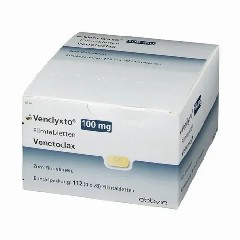
Normally, the treatment cycle of venetoclax combined with azacitidine is one course per month. The treatment course of this program generally ranges from 2 to 6 cycles. The total number of specific cycles of treatment depends on the patient's treatment response. For some patients, treatment is effective without significant adverse effects, and treatment may be continued for a longer period of time until complete remission or an acceptable state of remission is achieved. Once a patient's hematological markers return to normal levels, doctors may evaluate whether to continue treatment or switch to another treatment modality.
In addition, the treatment course of venetoclax combined with azacitidine needs to be combined with the patient's disease progression and occurrence of side effects. If a patient experiences serious side effects, such as bone marrow suppression, infection, or bleeding, treatment may be suspended or the dose may be adjusted. Decisions on continuation and duration of treatment require individualized clinical judgment, often with periodic checkups during treatment to assess efficacy and toxicity. This flexible treatment schedule can ensure the patient's treatment effect and quality of life to the greatest extent.
Reference materials:https://www.venclexta.com/
[ 免责声明 ] 本页面内容来自公开渠道(如FDA官网、Drugs官网、原研药厂官网等),仅供持有医疗专业资质的人员用于医学药学研究参考,不构成任何治疗建议或药品推荐。所涉药品可能未在中国大陆获批上市,不适用于中国境内销售和使用。如需治疗,请咨询正规医疗机构。本站不提供药品销售或代购服务。


