
.jpeg)
What is needed for genetic testing of the targeted drug rubicatin (rubitigine)? The most accurate detection methods and requirements
The targeted drug lubicatin (also known as rubicatin, Lurbinectedin) is a new anti-tumor drug used to treat small cell lung cancer (SCLC) and other tumor types , its mechanism of action is mainly to interfere with the DNA repair and transcription process of cancer cells by inhibiting RNApolymerase II. In order to determine whether a patient is suitable for Rubicatin, genetic testing is a very important step. Although rubicatin is not as clearly dependent on a single gene mutation as some targeted drugs, there are still some molecular indicators that can be used to assist in judging efficacy.
Performing sub-whole exome sequencing (WES) or targeted gene panel testing can help doctors evaluate the molecular characteristics of a patient's tumor. These detection methods can identify gene mutations related to DNA repair, such as BRCA1/2, TP53, ATM, etc. Mutations in these genes may be related to the therapeutic response to rubicatin. In addition, for patients with small cell lung cancer, confirming whether they have high expression of SLFN11 (Schlafen 11) is also an important indicator. Studies have shown that high expression of SLFN11 may be related to increased sensitivity to rubicatin.
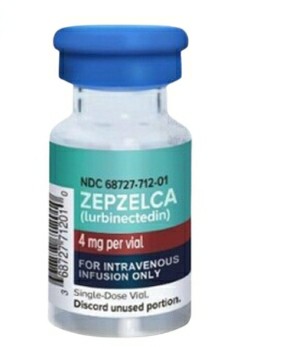
In terms of detection methods, the most recommended method is to use high-throughput sequencing (NGS) technology. NGScan provide extensive and accurate genetic information and is especially suitable for evaluating complex tumor samples. The SLFN11expression level can be detected by RNA sequencing (RNA-seq) or immunohistochemistry (IHC). RNA-seq can quantify gene expression more accurately, while IHC is more commonly used to determine protein expression levels in routine pathological testing.
Finally, the source of samples for genetic testing is mainly tumor tissue, and the best results are obtained from fresh biopsy or surgical resection tissue for analysis. If tissue samples are not available, ctDNA (circulating tumor DNA) in the blood may also be considered) detection, although the sensitivity is slightly lower, it still has reference value in some cases. Patients should be evaluated by a professional oncologist before testing to develop a personalized testing plan to provide a scientific basis for the use of rubicatin. Whether to perform genetic testing and which testing method to choose need to be comprehensively judged based on the pathological type, disease progression, and treatment goals.
Reference materials:https://www.zepzelca.com/
[ 免责声明 ] 本页面内容来自公开渠道(如FDA官网、Drugs官网、原研药厂官网等),仅供持有医疗专业资质的人员用于医学药学研究参考,不构成任何治疗建议或药品推荐。所涉药品可能未在中国大陆获批上市,不适用于中国境内销售和使用。如需治疗,请咨询正规医疗机构。本站不提供药品销售或代购服务。


