
.jpeg)
Is ixazomib less effective than bortezomib? Comparison of the therapeutic effects of the two
First of all, from the perspective of therapeutic effect, bortezomib is the first generation proteasome inhibitor. It was approved by the FDA as early as 2003 for the treatment of relapsed or refractory multiple myeloma, and has become an important part of the standard treatment plan because of its remarkable efficacy. Ixazomib is a new generation oral proteasome inhibitor that was approved by the FDA in 2015. It is suitable for use in combination with lenalidomide and dexamethasone in patients with multiple myeloma who have received at least one treatment. Judging from clinical research data, bortezomib has a slightly higher initial response rate, especially in patients who have not received treatment; while ixazomib also shows better disease control capabilities when used as maintenance or late-line treatment, especially in relapsed or refractory patients, and can effectively prolong progression-free survival (PFS).
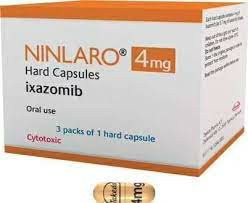
In terms of administration method, bortezomib needs to be administered by subcutaneous injection or intravenous injection several times a week, while ixazomib is an oral drug and is usually taken once a week, which greatly improves patient convenience and compliance. For multiple myeloma patients taking long-term medication, the oral dosage form of ixazomib can significantly reduce the frequency of hospitalization or outpatient injections, reduce the patient's psychological burden and economic costs, and improve the quality of life.
Finally, from the perspective of the applicable population, bortezomib is still the first-line treatment option for newly treated multiple myeloma, especially for patients who need to quickly control their disease. Ixazomib is mostly used in relapsed or refractory patients, or as a maintenance treatment to delay progression after the disease is stabilized. It should be pointed out that there are also clinical treatment strategies that combine ixazomib with other immunomodulators or monoclonal antibodies, and have achieved good therapeutic effects.
In summary, both ixazomib and bortezomib have their own advantages and disadvantages, and it is impossible to simply say which one is "better". Bortezomib may have a faster and stronger effect in the early stage of treatment, but the side effects, especially neurotoxicity, are more obvious. Although ixazomib has a slightly slower onset of action, it is safer and more convenient for oral administration, making it suitable for long-term maintenance treatment. Clinical medication should be scientifically selected after weighing the pros and cons based on the patient's physical condition, treatment stage, individual tolerance and other factors. With the deepening of research, these two drugs may appear in more complementary treatment options in the future to achieve personalized and precise treatment of multiple myeloma.
Reference: https://www.ninlaro.com/
[ 免责声明 ] 本页面内容来自公开渠道(如FDA官网、Drugs官网、原研药厂官网等),仅供持有医疗专业资质的人员用于医学药学研究参考,不构成任何治疗建议或药品推荐。所涉药品可能未在中国大陆获批上市,不适用于中国境内销售和使用。如需治疗,请咨询正规医疗机构。本站不提供药品销售或代购服务。


