
.jpeg)
What kind of medicine is rubicatin? Drug classification, mechanism of action and clinical use
Lurbinectedin, also known as rubitin, is a new type of anti-tumor drug, which belongs to the anti-cancer chemotherapy drugs and has important clinical significance in the treatment of certain types of cancer. Rubicatin is a small molecule drug that belongs to the platinum class of drugs (but does not contain platinum elements). It is a synthetic cancer treatment drug that mainly kills cancer cells by inhibiting the DNA repair mechanism of tumor cells.
Rubicatine belongs to a special class of anti-tumor drugs. It is a cell cycle non-specific drug and has strong anti-cancer effects. It effectively inhibits the growth of cancer cells by binding to the DNA of cancer cells and preventing the unwinding, transcription and replication of DNA. In addition, rubicatin has a wide range of cytotoxic effects on tumor cells, and is especially effective against some tumor types that are difficult to treat with traditional chemotherapy drugs.
The mechanism of action of Rubicatin is mainly achieved by binding to the DNA of tumor cells. Specifically, rubicatin cross-links with the DNA chains of cancer cells to form a DNA structure that is not easily repaired. This structure causes the transcription and replication functions of DNA to be inhibited. Since the proliferation of cancer cells depends on the rapid replication and repair of DNA, rubicatin blocks this process, leading to the death of cancer cells. In this way, rubicatin effectively destroys tumor cells and reduces tumor growth and spread.
This mechanism of action of rubicatin gives it unique advantages in the treatment of certain cancers that are resistant to traditional chemotherapy drugs. Unlike traditional platinum drugs, rubicatin does not directly contain platinum elements, but it still inhibits DNA repair in a similar way, so it can also be effective against some platinum-resistant tumors. This makes rubicatin potentially useful in the treatment of many types of cancer.
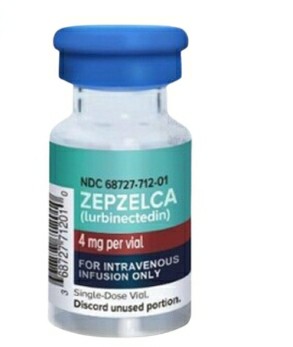
Rubicatin is currently mainly used to treat advanced small cell lung cancer (SCLC), especially for those patients who have relapsed after first-line treatment. It is used as a monotherapy or in combination with other chemotherapy drugs. In clinical trials, Rubicatin has shown significant efficacy in patients with small cell lung cancer compared with traditional chemotherapy drugs. Especially when the patient's tumor progresses, Rubicatin can effectively delay the progression of the disease and improve the patient's survival.
In addition to small cell lung cancer, rubicatin is also undergoing clinical research in the treatment of some other cancers, such as its application in ovarian cancer, head and neck cancer, breast cancer and other tumor types. Especially for those malignant tumors that are difficult to control with traditional chemotherapy, rubicatin may provide patients with a new treatment option.
In some cases, rubicatin's efficacy is comparable to traditional chemotherapy drugs and its side effects are relatively mild, so it is considered a potential treatment. For specific clinical application plans, doctors will develop personalized treatment plans based on the patient's specific condition. Clinical studies of rubicatin have shown that it can not only slow down the progression of tumors, but also improve patients' symptoms and quality of life.
Rubicatin's side effects are relatively mild, but it can still cause some adverse reactions. Common side effects include leukopenia, anemia, nausea, vomiting, fatigue, hair loss, loss of appetite, etc. These side effects are usually among the common side effects of chemotherapy drugs and gradually disappear as treatment ends. The use of Rubicatin needs to be under the guidance of a professional doctor. Especially during use, patients need to regularly check blood routine, liver and kidney function and other indicators to ensure the safety of the drug.
Compared with other chemotherapy drugs, rubicatin has relatively mild side effects, which is also an important advantage of it as a new anti-cancer drug. Still, doctors may adjust drug doses or temporarily stop treatment based on a patient's specific condition, especially for those who are more sensitive to drug side effects.
Lurbinectedin (Lurbinectedin), as a new type of anti-cancer drug, has become a potential drug for the treatment of small cell lung cancer and other malignant tumors due to its unique mechanism of action and efficacy against multiple tumor types. Although the side effects of rubicatin are relatively mild, it still needs to be used under the guidance of a professional doctor. With the deepening of clinical research, rubicatin may bring new treatment hope to more types of cancer patients, especially those for whom traditional treatment options are ineffective or intolerable.
Reference materials:https://www.zepzelca.com/
[ 免责声明 ] 本页面内容来自公开渠道(如FDA官网、Drugs官网、原研药厂官网等),仅供持有医疗专业资质的人员用于医学药学研究参考,不构成任何治疗建议或药品推荐。所涉药品可能未在中国大陆获批上市,不适用于中国境内销售和使用。如需治疗,请咨询正规医疗机构。本站不提供药品销售或代购服务。


