
.jpeg)
Instructions for use of ixazomib: dosage, indications and precautions
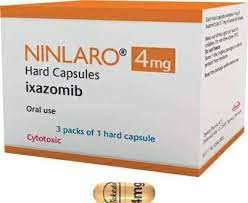
Ixazomib (Ixazomib) is an oral proteasome inhibitor developed by Bristol-Myers Squibb (Bristol-Myers Squibb), mainly used to treat patients with multiple myeloma (Multiple Myeloma, MM).
Indications:
Ixazomib is approved for the treatment of adult patients with multiple myeloma, particularly those who have relapsed after prior treatment with other treatment options. As a proteasome inhibitor, ixazomib inhibits the proliferation and survival of tumor cells by inhibiting the process of intracellular protein degradation, causing tumor cells to accumulate unstable proteins. It is often used in combination with other drugs such as melphalan and prednisone to treat multiple myeloma patients who cannot receive high-dose chemotherapy, especially those who have received previous treatment and have not achieved complete remission.
Dosage and usage:
The standard dose of ixazomib is usually 4 mg taken orally once weekly. Depending on patient tolerance, treatment may be initiated at a dose of 4 mg once weekly, with treatment cycles typically lasting 28 days. Patients need to take ixazomib on time within a treatment cycle, usually for three consecutive weeks, and the fourth week is a drug holiday. The drug holiday is to reduce the burden on the body and give the patient time to recover.
Ixazomib should be taken on an empty stomach, usually one hour before or two hours after a meal. Patients should take the entire capsule with each dose and avoid opening or breaking the medication capsule, as this may affect the effectiveness of the medication and increase the risk of side effects. The medication should be taken strictly in accordance with the doctor's instructions, and do not increase or decrease the dosage or stop medication at will.
In clinical use, doctors will appropriately adjust the dosage of the drug based on the patient's treatment response and side effects. If a patient experiences adverse reactions, the doctor may reduce the dose or temporarily stop the treatment. Particularly in patients with hepatic or renal impairment, the use of ixazomib requires caution and adjustments based on the patient's specific condition.
Things to note:
1.Myelosuppression: Ixazomib may cause bone marrow suppression, especially during combination therapy, which may cause a decrease in the number of white blood cells, red blood cells, platelets and other blood cells. Regular blood count monitoring is very important, especially in the early stages of treatment. If abnormalities in blood routine indicators are found, the dose may need to be delayed or adjusted.
2.Abnormal liver function: Patients require close monitoring of liver function while taking ixazomib, especially those with hepatic impairment. The metabolism of ixazomib is closely related to the liver, and abnormal liver function may affect the metabolism of the drug, resulting in excessive drug concentration in the body. The dose needs to be adjusted or treatment suspended based on liver function test results.
3. Nervous system side effects: Ixazomib may cause neurological side effects such as peripheral neuropathy (peripheral neuropathy). Patients may experience symptoms such as numbness, tingling, and abnormal sensation in their hands and feet. If these discomforts occur, your doctor should be informed promptly and the patient should be evaluated to determine whether the treatment plan needs to be adjusted. Long-term use may require periodic neurological evaluation.
4.Digestive system discomfort: Common adverse reactions of ixazomib include nausea, vomiting, diarrhea and other digestive system discomfort. Patients can take appropriate symptomatic treatment while taking the medication, such as taking anti-vomiting drugs, maintaining good eating habits, and avoiding excessive consumption of irritating foods. If the symptoms seriously affect the quality of life, you may consider adjusting the drug dosage or changing the treatment plan.
5.Risk of infection: Because ixazomib may cause immune system suppression, patients may be more susceptible to infections during treatment. During treatment, it is necessary to avoid contact with patients with infectious diseases and promptly deal with any symptoms of infection (such as fever, cough, etc.). During the treatment process, if symptoms of infection appear, you should seek medical advice as soon as possible to avoid aggravation of the infection.
6.Pregnancy and lactation: Ixazomib may be harmful to the fetus when used during pregnancy and should be avoided during pregnancy. If you plan to become pregnant or are breastfeeding, the safety of your treatment options must be fully discussed with your doctor. Breastfeeding women should stop breastfeeding when taking ixazomib because the drug may be passed to the baby through breast milk.
Ixazomib, an oral proteasome inhibitor, provides an effective treatment option for patients with multiple myeloma. By using ixazomib in combination, patients can significantly improve their condition and delay the progression of the disease during treatment. However, when using ixazomib, patients need to pay special attention to the side effects of the drug, especially bone marrow suppression, neurological damage, and indigestion. Therefore, patients should maintain close contact with their doctors during use and monitor drug responses in a timely manner to ensure the safety and effectiveness of treatment.
Reference materials:https://www.ninlaro.com/
[ 免责声明 ] 本页面内容来自公开渠道(如FDA官网、Drugs官网、原研药厂官网等),仅供持有医疗专业资质的人员用于医学药学研究参考,不构成任何治疗建议或药品推荐。所涉药品可能未在中国大陆获批上市,不适用于中国境内销售和使用。如需治疗,请咨询正规医疗机构。本站不提供药品销售或代购服务。


