
.jpeg)
What are the functions and effects of sparsentan? Detailed analysis of the drug’s therapeutic advantages
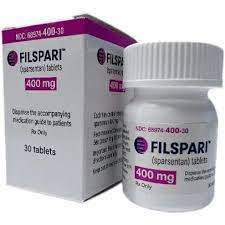
Sparsentan (Sparsentan) is a new type of targeted drug mainly used to treat a type of kidney disease called "focal segmental glomerulosclerosis" (FSGS, Focal Segmental Glomerulosclerosis). Sparsentan is unique in that it not only targets the underlying cause of the disease, but also significantly improves patient outcomes and reduces the risk of kidney failure. Therefore, it has broad clinical application prospects, especially for patients who are ineffective in traditional treatments.
Drug mechanism and efficacy:
Sparsentan is a dual receptor antagonist that inhibits both endothelinA receptors (ETA receptors) and vascular Activity of tensinIItype1 (AT1) receptors. Through this dual role, sparsentine can play a regulatory role in different pathological mechanisms. First, activation of endothelinA receptors can lead to tubulointerstitial fibrosis, while activation of AT1 receptors can cause vasoconstriction and hypertension, both of which accelerate the progression of renal lesions. By antagonizing these two receptors, sparsentan effectively slows down the progression of the disease, protects kidney function, reduces the patient's proteinuria level, and ultimately delays the occurrence of kidney failure.
Treatment Advantages and Innovations:
The therapeutic advantages of sparsentane are mainly reflected in its efficacy on FSGS and other chronic kidney diseases. FSGS is one of the common causes of end-stage renal disease, which mainly manifests as proteinuria, renal failure and other symptoms. Traditional treatments, such as the use of ACE inhibitors or ARBs (angiotensin II receptor antagonists), can control blood pressure and reduce proteinuria, but they cannot fundamentally prevent the progression of kidney disease. The dual receptor antagonism of sparsentane can exert therapeutic effects in multiple aspects, especially in reducing tubulointerstitial fibrosis and proteinuria. Compared with traditional treatments, sparsentane can provide patients with FSGS with greater disease control and significantly improve their quality of life and long-term prognosis.
Except forFSGSThe therapeutic effect of sparsentane has also shown potential in other kidney diseases. Studies show that sparsentine also has positive effects in relieving high blood pressure associated with kidney disease, reducing edema, and reducing inflammation. In addition, sparsentan can effectively slow down the progression of chronic kidney disease and also provides new treatment ideas for patients with diabetic nephropathy. Because of its ability to act simultaneously on two important pathological pathways, sparsentane is viewed as a more comprehensive treatment.
Clinical research and effects:
Sparsentan has shown very good results in clinical trials, especially in reducing proteinuria and protecting kidney function. Multiple clinical trial data show that sparsentane can significantly reduce proteinuria levels in FSGS patients and delay the progression of kidney damage. These trial results make spaxentan an important breakthrough in the treatment of kidney diseases such as FSGS. Sparsentine offers new hope for some patients who have failed to benefit from traditional treatments. Although sparsentin is not yet popular in all countries and regions, its application prospects in the field of kidney disease are very broad.
Side effects and precautions:
Although sparsentane is highly effective, like all medications, it may come with some side effects. Common side effects include high blood pressure, electrolyte imbalances, gastrointestinal upset, headache, and rash. In addition, because sparsentane may have certain effects on renal function, patients' renal function needs to be closely monitored during use. For some patients with existing renal impairment or hypertension, caution is required when using sparsentane to avoid adverse reactions.
In general, sparsentan, as an innovative drug, provides an effective treatment option for renal diseases such as FSGS with its unique mechanism of dual receptor antagonism. As clinical research continues to deepen, the therapeutic indications of sparsentane are expected to be further expanded, especially in the management of chronic kidney disease, where it may become a very important therapeutic tool. Through continued clinical practice and drug optimization, sparsentan will undoubtedly occupy a place in the future of kidney disease treatment.
Reference materials:https://www.sparsentan.com/
xa0
[ 免责声明 ] 本页面内容来自公开渠道(如FDA官网、Drugs官网、原研药厂官网等),仅供持有医疗专业资质的人员用于医学药学研究参考,不构成任何治疗建议或药品推荐。所涉药品可能未在中国大陆获批上市,不适用于中国境内销售和使用。如需治疗,请咨询正规医疗机构。本站不提供药品销售或代购服务。


