
.jpeg)
What are the correct ways to eat and what are the precautions for taking ivonib?
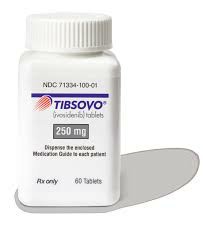
Ivosidenib (Ivosidenib) is an oral small molecule inhibitor targeting isocitrate dehydrogenase type 1 (IDH1) mutations. It is widely used to treat solid tumors such as acute myeloid leukemia (AML) carrying IDH1 mutations and locally advanced or metastatic cholangiocarcinoma. The drug's mechanism of action is mainly by inhibiting the activity of the mutant IDH1 enzyme and reducing the accumulation of the abnormal metabolite 2-hydroxyglutarate (2-HG), thereby restoring the differentiation ability of hematopoietic cells or intervening in tumor metabolism, bringing hope to patients for precise treatment. Correct use of ivonib not only helps to improve efficacy, but also minimizes the risk of drug-related adverse reactions and drug resistance.
In terms of taking method, it is usually recommended to take ivonib once a day, 500 mg each time, on an empty stomach or with food. However, it is recommended to take the drug at a fixed time every day to maintain the stability of the drug concentration in the body. Patients should swallow the tablets whole when taking the medicine and should not crush, chew or open the tablets to avoid affecting the drug release mechanism and drug effect stability. For patients with dysphagia, they should not change drug dosage forms on their own, but should seek alternatives under the guidance of a doctor.
During medication, patients should avoid taking certain drugs at the same time, especially potentCYP3A4 enzyme inhibitors or inducers. These drugs may significantly change the metabolism rate of ivonib in the body, thereby affecting the efficacy or increasing the risk of toxicity. For example, certain antifungals, antiepileptics, antibiotics, and herbal ingredients such as St. John's Wort are known to interfere with the metabolic pathways of ivosidenib. Therefore, before starting to take ivonib, patients need to inform their doctor in detail about all drugs and health care products they are currently or recently taking.
Another important note when taking this medication is the risk of QT prolongation Ivonib may cause prolongation of the QT interval of the electrocardiogram in some patients. If this change is not monitored in time, it may induce serious arrhythmia. For this reason, it is recommended to perform a baseline ECG before starting treatment and to regularly monitor ECG and electrolyte levels, such as potassium, calcium, magnesium, etc. during treatment. For patients with a history of QT prolongation, who are taking other drugs that may prolong the QT interval, or who have electrolyte imbalances, extreme caution should be exercised and the dose should be adjusted or medication suspended if necessary.
In addition, ivonib may cause differential syndrome (differentiation syndrome), a rare but potentially serious side effect in the treatment of acute myeloid leukemia, manifesting as systemic symptoms such as fever, pulmonary infiltrates, hypotension, and edema. If patients experience these warning signs during treatment, they should seek medical treatment immediately. The doctor will give glucocorticoid treatment according to the situation and adjust the use of avonib according to the condition. Although the occurrence of differential syndrome is uncommon, once diagnosed, prompt intervention is needed to prevent progression to multiple organ dysfunction.
In the treatment of solid tumors such as cholangiocarcinoma, ivonib has also shown a certain ability to delay disease progression, but the efficacy often requires continuous medication for a period of time to be apparent. Therefore, patients should strictly abide by the doctor's instructions, insist on taking medication regularly, and avoid arbitrary interruptions. The monitoring of drug efficacy needs to be combined with imaging examinations and biochemical index assessments, and medication must not be stopped without authorization due to temporary lack of feeling.
Finally, patients should avoid drinking alcohol or ingesting alcoholic beverages while using ivonib, because ethanol may interfere with the liver's ability to metabolize drugs and increase the possibility of adverse reactions. In addition, women need to avoid pregnancy while taking the drug and for a certain period of time after stopping the drug, and men also need to pay attention to contraceptive measures, because Avonib has shown potential embryotoxicity and reproductive risks in animal experiments.
Reference: https://www.tibsovo.com/
[ 免责声明 ] 本页面内容来自公开渠道(如FDA官网、Drugs官网、原研药厂官网等),仅供持有医疗专业资质的人员用于医学药学研究参考,不构成任何治疗建议或药品推荐。所涉药品可能未在中国大陆获批上市,不适用于中国境内销售和使用。如需治疗,请咨询正规医疗机构。本站不提供药品销售或代购服务。


