
.jpeg)
What are the common adverse reactions of margetuximab?
Margetuximab (margetuximab-cmkb) is an Fc-optimized monoclonal antibody targeting HER2. It was developed by the American company MacroGenics. It is mainly used for the treatment of HER2-positive advanced breast cancer . Compared with trastuzumab, margetuximab has an improved structure of the Fc fragment, aiming to enhance the affinity with the Fcγ receptor of immune cells, thereby improving the antibody-dependent cell-mediated cytotoxicity (ADCC) effect. This immune-enhancing design brings stronger tumor killing potential, but also comes with a certain risk of adverse reactions.
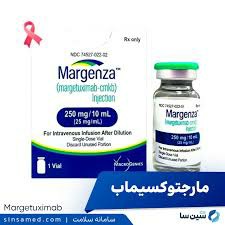
During treatment with margetuximab, the most common adverse reactions are mainly immune-related and infusion-related reactions. Injectable antibody drugs often cause infusion reactions during the first infusion, such as fever, chills, rash, fatigue, headache and respiratory discomfort, etc., which generally occur during the first or first few administrations. These reactions are usually mild to moderate and can be intervened by prolonging the infusion time or using pretreatment drugs (such as antihistamines, antipyretics and analgesics) with less impact on treatment continuity.
Another adverse reaction that needs attention is fatigue and gastrointestinal symptoms, including nausea, diarrhea, loss of appetite, etc. Most of these symptoms are reversible and do not require special intervention, but they may be aggravated when combined with chemotherapy. In addition, because margetuximab is also a HER2-targeted therapeutic drug, the risks related to cardiotoxicity also need to be taken seriously. Especially in patients who have previously received anthracycline treatment or have underlying cardiovascular diseases, cardiac function should be closely monitored, including regular assessment of left ventricular ejection fraction (LVEF).
Some patients may also experience skin reactions, such as rash, itching or local allergy, which is a form of drug immune reaction and generally shows a gradual adaptation trend during continuous medication. Rare but serious side effects also include infection, blood abnormalities, or elevated liver function indicators, which need to be monitored through routine blood tests and liver and kidney function tests.
Reference materials:https://www.margenza.com
[ 免责声明 ] 本页面内容来自公开渠道(如FDA官网、Drugs官网、原研药厂官网等),仅供持有医疗专业资质的人员用于医学药学研究参考,不构成任何治疗建议或药品推荐。所涉药品可能未在中国大陆获批上市,不适用于中国境内销售和使用。如需治疗,请咨询正规医疗机构。本站不提供药品销售或代购服务。


