
.jpeg)
Detailed instructions for capmatinib hydrochloride tablets
Capmatinib hydrochloride (Capmatinib) tablets are a targeted therapy drug mainly used to treat patients with non-small cell lung cancer (NSCLC), especially those with METexon14 skipping mutations (METex14). It effectively inhibits the growth and spread of cancer cells by selectively inhibiting the activity of MET kinase and preventing the abnormal activation of the MET signaling pathway. The following is the detailed instructions for Capmatinib Hydrochloride (Capmatinib) tablets.
1.Indications: Capmatinib hydrochloride tablets are a targeted therapy for patients with advanced or metastatic non-small cell lung cancer with METexon14 skipping mutations. Such patients are often resistant to conventional chemotherapy and other targeted therapies. Capmatinib exerts a unique therapeutic effect by targeting mutations in the MET gene. Capmatinib hydrochloride is also suitable for the treatment of other tumors related to abnormal activation of the MET pathway, but the specific application needs to be based on the doctor's judgment.
2.Usage and dosage: Capmatinib hydrochloride is usually given in oral form. The recommended starting dose is 2 times a day, with each dose being 400mg. It can be taken after a meal, before a meal or on an empty stomach. If serious adverse reactions occur, the dose may be adjusted based on the patient's tolerance. For some patients, dose reduction or drug suspension may be necessary.
If a dose is missed, the patient should not take double the dose but should continue taking the medication at the next prescribed time. When taking medicine, you should avoid swallowing the whole tablet. You should swallow it as directed by your doctor or use a suitable dosage form.
3.Adverse reactions: Common side effects of capmatinib hydrochloride tablets include:
Liver function impairment:ALT (Alanine aminotransferase), AST (Aspartate aminotransferase) and other liver enzymes are elevated, which may lead to liver insufficiency. Liver function needs to be monitored regularly during treatment.
Pulmonary Side Effects: Pneumonia or interstitial lung disease may occur, with symptoms such as shortness of breath, cough, or difficulty breathing. If the above symptoms occur, you should stop taking the medicine immediately and seek medical advice.
Gastrointestinal reactions: Gastrointestinal symptoms such as nausea, vomiting, and diarrhea are common adverse reactions. It can be relieved by adjusting your diet or using medications that treat gastrointestinal symptoms.
Skin reactions: For skin reactions such as rash, itching, etc., it is recommended to report to the doctor in time. Topical drugs may be needed to relieve symptoms.
Fatigue and weakness: Some patients may experience fatigue or weakness when using the drug and need to take appropriate rest and discuss with their doctor whether the dose needs to be adjusted.
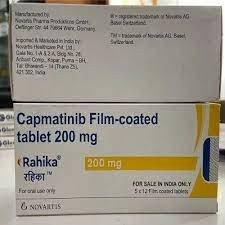
4.Contraindications and precautions: Capmatinib hydrochloride tablets are contraindicated or need to be used with special caution by the following groups:
Hypersensitivity Reactions: Avoid use in patients allergic to capmatinib or its components.
Hepatic Impairment: Because capmatinib hydrochloride affects hepatic metabolism, patients with severe hepatic impairment should avoid use or require close monitoring during use.
Pregnancy and lactation: The effect of capmatinib hydrochloride on pregnancy has not been clarified, so its use should be avoided during pregnancy; lactating women should consider stopping breastfeeding when using it.
Renal Impairment: Capmatinib hydrochloride should be used with caution, dose adjustment or other monitoring measures in patients with renal disease.
5.Drug interactions: Capmatinib hydrochloride may interact with some drugs, especially those affecting CYP450Drugs of enzyme systems. Special caution is required when using drugs that interact with capmatinib metabolizing enzymes and the dose of capmatinib may need to be adjusted. The following drugs may interact with capmatinib hydrochloride:
CYP3A4Inhibitors: Such as antibiotics, antifungals, certain antiviral drugs, etc. These drugs may increase the plasma concentration of capmatinib.
CYP3A4Inducers: such as phenobarbital, carbamazepine, etc., these drugs may reduce the effect of capmatinib.
Other drugs: such as anticoagulants, certain cardiovascular drugs, etc., the dose may need to be adjusted.
6.Treatment monitoring: During the use of capmatinib hydrochloride, patients need to conduct the following monitoring regularly:
Liver function test: Regularly check ALT, AST and other liver function indicators to detect liver damage in time and handle it accordingly.
Pulmonary function monitoring: Regularly evaluate respiratory function. If symptoms such as cough and shortness of breath occur, stop taking the medicine immediately and seek medical treatment.
Routine blood examination: observe changes in white blood cells, platelets, etc. to ensure that the patient will not have serious blood system reactions.
Capmatinib hydrochloride (Capmatinib) tablets are an effective targeted drug for the treatment of non-small cell lung cancer and other tumors. It helps inhibit the growth of tumor cells by selectively inhibiting the activity of MET kinase. During use, it is necessary to regularly monitor important indicators such as liver function and lung function, and pay attention to possible side effects, such as liver function damage and pulmonary side effects. When using drugs, patients should strictly follow the doctor's instructions and undergo regular review to ensure the therapeutic effect and reduce adverse reactions.
Reference materials:https://www.novartis.com/our-products/pipeline/capmatinib
[ 免责声明 ] 本页面内容来自公开渠道(如FDA官网、Drugs官网、原研药厂官网等),仅供持有医疗专业资质的人员用于医学药学研究参考,不构成任何治疗建议或药品推荐。所涉药品可能未在中国大陆获批上市,不适用于中国境内销售和使用。如需治疗,请咨询正规医疗机构。本站不提供药品销售或代购服务。


