
.jpeg)
How long does it take for resistance to Platinib to develop?
Pralsetinib is a targeted therapy drug mainly used to treat non-small cell lung cancer (NSCLC) and other types of tumors with RET gene rearrangements. It blocks the growth signals of cancer cells by inhibiting the activity of RET kinase, thereby inhibiting the progression of tumors. However, like most targeted therapies, platinib may face the problem of drug resistance during treatment. The development of drug resistance is a complex process that is often related to tumor cell adaptation and genetic mutation.
Platinib has shown good clinical efficacy, especially in the initial treatment phase. However, according to some clinical research data, resistance to platinib may develop between 6 months and one year of treatment, and the specific time varies depending on individual differences. In the initial treatment, platinib can effectively inhibit the growth of tumors related to RET gene rearrangements. However, as the treatment time prolongs, cancer cells may gradually evade the effects of the drug through gene mutations or other adaptive mechanisms. The occurrence of this kind of drug resistance often leads to the weakening of therapeutic effect and the recurrence of tumor progression.
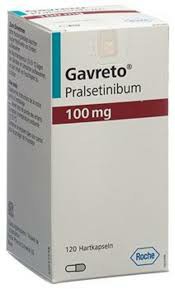
There are several main mechanisms of resistance to platinib. A common resistance mechanism is the mutation of the RET gene itself, especially the mutation in the ATP binding site of the RETkinase, resulting in the inability of the drug to effectively inhibit its activity. In addition, cancer cells may bypass the RET signaling pathway by activating other pathways, such as activating KRAS, EGFR and other oncogene signaling pathways, or by upregulating the expression of certain drug resistance-related molecules to enhance their survival. These resistance mechanisms often reduce therapeutic efficacy and lead to tumor progression.
When patients develop platinib resistance, treatment regimens often need to be adjusted. Common strategies include switching to other targeted therapies, such as using other drugs targeting RETGenetically mutated drugs, or combined with other drugs to overcome drug resistance. In addition, immunotherapy or chemotherapy can also be used as adjuvant treatment to help control further tumor growth. Doctors usually determine the specific mechanism of resistance through genetic testing or tissue biopsy to develop individualized follow-up treatment plans for patients.
Reference materials:https://gavreto.com/
[ 免责声明 ] 本页面内容来自公开渠道(如FDA官网、Drugs官网、原研药厂官网等),仅供持有医疗专业资质的人员用于医学药学研究参考,不构成任何治疗建议或药品推荐。所涉药品可能未在中国大陆获批上市,不适用于中国境内销售和使用。如需治疗,请咨询正规医疗机构。本站不提供药品销售或代购服务。


