
.jpeg)
What is the treatment regimen for rubicatin (rubitin) plus irinotecan? Effect and safety of combined medication
The combined treatment regimen of Lurbinectedin and Irinotecan is mainly used for the treatment of certain types of cancer, especially small cell lung cancer and certain solid tumors. This treatment plan combines the different mechanisms of action of two drugs. Rubicatin, as an anti-tumor drug, interferes with the DNA transcription process of cancer cells, while irinotecan interferes with DNA replication by inhibiting DNA topoisomerase I. The purpose of using the two together is to enhance the therapeutic effect and increase the killing rate of tumor cells.
The combination of rubicatin plus irinotecan has demonstrated good therapeutic effects in multiple clinical studies, especially in patients with advanced cancer who have not responded well to other treatments. Rubicatin can inhibit the proliferation of cancer cells by binding to the transcription process of tumor cells, while irinotecan increases the chance of cancer cell death by accelerating DNA damage. Studies have shown that the combined use of these two drugs can more effectively combat tumor growth, especially for small cell lung cancer and other solid tumors with higher malignancy, and the treatment response is relatively good.
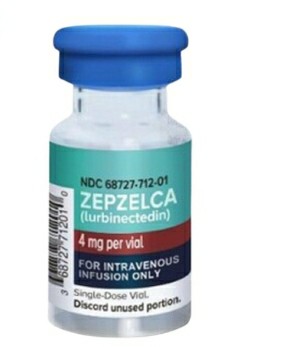
Although the combined use of rubicatin and irinotecan in treatment has shown certain effects, it is also accompanied by certain safety challenges. Common side effects of irinotecan include bone marrow suppression, diarrhea, vomiting, etc., which may affect the patient's quality of life. The side effects of Rubicatin mainly include bone marrow suppression, liver function abnormalities, nausea, etc. Therefore, when combined with drugs, the risk of these side effects is relatively high, and the patient's blood routine, liver function, and renal function need to be strictly monitored so that drug dosage can be adjusted in a timely manner or other supportive treatment measures can be taken. Special caution is required in patients with preexisting liver or kidney disease.
In order to ensure the therapeutic efficacy and safety of rubicatin plus irinotecan, doctors need to regularly monitor patients' hematological indicators, especially white blood cell count, platelet count, and liver and kidney function indicators. If patients experience severe bone marrow suppression or diarrhea and other adverse reactions during treatment, they may need to temporarily stop taking the drug or reduce the drug dose. For patients with poor tolerance, it may be necessary to adjust the treatment plan and add symptomatic supportive care, such as anti-diarrhoeal drugs, blood transfusions, etc. Such combination therapy needs to be highly individualized and finely tuned based on patient tolerance.
Reference materials:https://www.zepzelca.com/
[ 免责声明 ] 本页面内容来自公开渠道(如FDA官网、Drugs官网、原研药厂官网等),仅供持有医疗专业资质的人员用于医学药学研究参考,不构成任何治疗建议或药品推荐。所涉药品可能未在中国大陆获批上市,不适用于中国境内销售和使用。如需治疗,请咨询正规医疗机构。本站不提供药品销售或代购服务。


