
.jpeg)
What should I pay attention to when taking sotoracib?
Sotorasib is an oral anticancer drug that targets KRAS G12C mutations and is mainly used to treat adult patients with non-small cell lung cancer (NSCLC) and KRAS G12C mutations. The emergence of this drug has filled the long-standing gap of no effective targeted treatment for KRAS mutations. Although the efficacy of sotoraxib is clear, patients still need to pay attention to many aspects during use to ensure that the treatment effect is maximized and potential risks are reduced. The following will systematically introduce the precautions for taking Sotorasibu from the aspects of taking methods, drug interactions, adverse reaction monitoring, lifestyle, etc.
First of all, sotoracib should be taken strictly as prescribed by your doctor. The recommended dose is usually 960 mg once daily, preferably at the same time each day. Patients should swallow the tablets whole and do not break, chew or open the tablets, otherwise it may affect the release pattern and efficacy of the drug. In addition, sotoracib can be taken with food or on an empty stomach. Doctors usually give individualized recommendations based on the patient's gastrointestinal tolerance. Patients should maintain regular medication during the medication period and should not increase or decrease the dose at will or stop medication on their own. If a dose is missed, the dose should be taken as soon as possible on the same day. If the next dose is approaching, the missed dose should be skipped and the dose should not be doubled.
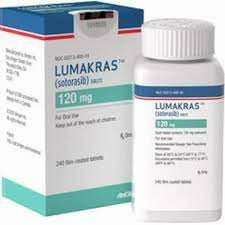
Secondly, it should be noted that there may be interactions between sotoraxib and other drugs. You should inform your doctor about all prescription, over-the-counter, herbal preparations, and supplements you are taking while taking sotorasiib. Particular attention should be paid to avoid concomitant use with strong CYP3A4 inducers or inhibitors, because sotoracib is mainly metabolized by CYP3A4. If used in combination with these drugs, it may change the blood concentration, affect the efficacy or increase toxicity. In addition, sotoracib may affect the metabolism of certain drugs such as anticoagulants, certain antiepileptic drugs, or antiviral drugs, and should therefore be used under the guidance of a physician. If you are taking antacid drugs (such as proton pump inhibitors, H2 receptor antagonists, etc.), you should also stagger the time of taking sotoraxib to reduce the impact on absorption.
During the treatment process, patients also need to closely monitor their body reactions and pay attention to possible adverse reactions. Common side effects include diarrhea, nausea, fatigue, abnormal liver function, loss of appetite, etc. Although most symptoms are mild, if they persist or worsen, you need to report to your doctor in time. Among them, liver function damage is one of the side effects that requires more attention. Therefore, liver function indicators (such as ALT, AST, bilirubin, etc.) need to be checked regularly during the initial stage of treatment and during treatment. Once abnormalities are found, the dose should be adjusted or the medication should be suspended according to the severity. In addition, some patients may experience rare but serious adverse events such as interstitial lung disease or pneumonia. Once symptoms such as cough, difficulty breathing, or chest pain occur, they need to seek medical attention immediately.
In terms of lifestyle, patients should maintain a healthy diet while taking the medication, avoid high-fat, high-sugar and irritating foods, and consume more foods rich in protein and vitamins to enhance physical strength. At the same time, smoking and excessive drinking should be avoided, as these behaviors may increase the burden on the liver and affect drug metabolism. Reasonable work and rest and moderate exercise can also help improve the body's immunity and treatment tolerance. In addition, female patients should avoid pregnancy while taking the drug and for at least one week after stopping the drug, because the drug may potentially harm the fetus. If you have a childbirth plan, you must communicate with your doctor in advance and take contraceptive measures.
Finally, it needs to be emphasized that as a new type of targeted drug, the efficacy and safety of sotoraxib are still under further observation and research. During the treatment period, patients should regularly review imaging (such as CT) to evaluate tumor changes, and adjust the treatment plan based on the doctor's recommendations. If the efficacy is poor or drug resistance occurs, doctors may consider combining other drugs or changing treatment strategies.
To sum up, although sotorasiib has brought new treatment options to lung cancer patients with KRAS G12C mutations, its use involves many aspects of precautions, including standardizing medication, avoiding drug interactions, paying attention to side effects, and maintaining good living habits. Only by standardizing treatment under the guidance of a doctor can drug efficacy be maximized and patient safety ensured.
Reference materials:https://www.lumakras.com/
[ 免责声明 ] 本页面内容来自公开渠道(如FDA官网、Drugs官网、原研药厂官网等),仅供持有医疗专业资质的人员用于医学药学研究参考,不构成任何治疗建议或药品推荐。所涉药品可能未在中国大陆获批上市,不适用于中国境内销售和使用。如需治疗,请咨询正规医疗机构。本站不提供药品销售或代购服务。


