
.jpeg)
Which one is better, capmatinib or servotinib?
Capmatinib and Savolitinib (Savolitinib) are both targeted therapeutic drugs targeting MET gene mutations. They are mainly used to treat patients with METmutated non-small cell lung cancer (NSCLC) patients, especially those with METexon14 skipping mutations (METex14 patients with skipping mutation). Although both are MET inhibitors, there are certain differences in efficacy and usage scenarios due to different molecular structures, indications, clinical trial data and side effects. The following will compare several aspects to help us more fully understand the advantages and disadvantages of these two drugs.
First of all, from the perspective of drug mechanism, capmatinib and cervotinib are highly selective MET inhibitors. They inhibit the activity of MET tyrosine kinase and block the abnormal MET signaling pathway, thereby inhibiting the proliferation and metastasis of tumor cells. METex14Skipping mutation is a driver gene mutation that can lead to abnormal stability and sustained activation of MET protein, which is the main therapeutic target of these two drugs. Although the mechanisms are similar, different clinical trials have shown varying effectiveness in different populations.
In terms of efficacy, according to the criticality of capmatinibGEOMETRY Mono-1Clinical study results show that for patients with METex14mutationsNSCLC who have less treatment experience, capmatinib has an objective response rate (< span>ORR) reached 68%, while for previously treated patients, ORR was 41%. This shows that capmatinib performs particularly well in the treatment-naïve population, is also effective in patients with brain metastases, and has strong central nervous system penetration. In contrast, sevotinib was tested in China's phase III clinical study (SAVANNAH study or the previous SAVOIRSAVOIR pan> study) also showed good efficacy, but its overall ORR is generally around 40%-50%, which is slightly lower than capmatinib. However, it is worth noting that cervotinib has good adaptability to the Chinese population and has been approved in China for the treatment of carriersPatients with advanced NSCLC mutations in METex14.
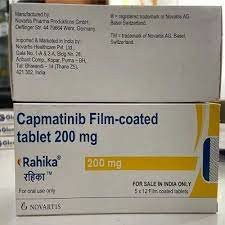
In addition to efficacy, safety and tolerability are also important factors that patients need to pay attention to when selecting drugs. The most common side effects of capmatinib include peripheral edema, nausea, vomiting, and loss of appetite. Peripheral edema is particularly prominent, and some patients even need to adjust the dose or suspend the medication. The adverse reactions of cervotinib include elevated transaminase, proteinuria, fatigue and gastrointestinal discomfort, etc. Generally speaking, the side effects are within the controllable range. The safety performance of both is considered acceptable, but due to individual differences, specific medication selection should be combined with a comprehensive assessment of the patient's underlying health status and tolerance.
From the perspective of accessibility and indication approval, capmatinib was developed by Novartis and has been approved by the US FDA for the treatment of METex14 mutated NSCLC and is available in many countries around the world. It has not yet been officially launched in China, and patients need to purchase it through overseas channels. Servotinib was developed by AstraZeneca in cooperation with Chinese companies and has been approved in China for the treatment of this type of lung cancer patients, so it has the advantage of greater accessibility to Chinese patients. In terms of price, cervotinib is more cost-effective after being included in China's medical insurance, while capmatinib is not yet available on the market in China, so the cost for patients is relatively higher.
In summary, capmatinib and cervotinib are both effective targeted drugs against MET mutations, and each has unique advantages. Capmatinib has a slight advantage in clinical efficacy, especially better control of patients with brain metastases; while servotinib has been approved for marketing in China and is relatively affordable, with higher practical availability. The choice of which drug is more appropriate should be made on an individual basis based on the patient's mutation type, previous treatment history, financial conditions, and doctor's recommendations. As more head-to-head clinical data are released in the future, the difference in efficacy between the two will become clearer.
Reference materials:https://www.novartis.com/our-products/pipeline/capmatinib
[ 免责声明 ] 本页面内容来自公开渠道(如FDA官网、Drugs官网、原研药厂官网等),仅供持有医疗专业资质的人员用于医学药学研究参考,不构成任何治疗建议或药品推荐。所涉药品可能未在中国大陆获批上市,不适用于中国境内销售和使用。如需治疗,请咨询正规医疗机构。本站不提供药品销售或代购服务。


