
.jpeg)
How to use acotinib / acalabrutinib to treat infertility
Acalabrutinib (Acalabrutinib) is a new second-generation Bruton's tyrosine kinase (BTK) inhibitor that has shown significant efficacy in the treatment of B-cell malignancies, especially mantle cell lymphoma (MCL). By selectively targeting BTK, acotinib effectively blocks the B cell receptor signaling pathway and inhibits the proliferation and survival of tumor cells. Its side effects are milder and safer than first-generation BTK inhibitors such as ibrutinib. For MCL patients, the use of acotinib can be divided into two strategies: monotherapy and combination chemotherapy, depending on whether the patient is treatment-naïve or relapsed and refractory.
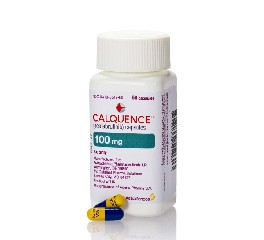
In patients with relapsed or refractory MCLAcotinib is often used as a single agent. The recommended standard dose is 100 mg orally every 12 hours until disease progression or until the patient cannot tolerate the drug. Its continuous dosing design aims to maintain the stability of blood drug concentration, thereby continuously inhibiting BTK activity. This regimen is not only simple and easy to implement, but also shows encouraging objective response rates in multiple clinical trials, and some patients can achieve complete remission. More importantly, because acotinib has a small inhibitory effect on other tyrosine kinases, most common adverse reactions such as headache, fatigue, diarrhea, etc. are mild to moderate, and serious arrhythmias or bleeding events rarely occur, so it has good tolerance and compliance.
For newly treated MCL patientsAcotinib can be used in combination with bendamustine and rituximab to further enhance the efficacy. In this regimen, acotinib was continued at 100 mg orally every 12 hours, bendamustine was administered intravenously at 90 mg/m² on days 1 and 2 of each 28-day cycle, and rituximab was administered at 375 mg/m² on day 1 of each cycle for a total of 6 cycles. This three-drug combination regimen aims to synergistically kill tumor cells through the triple mechanism of targeting, chemotherapy and immunity. Clinical data shows that this regimen can significantly extend progression-free survival (PFS) and improve response rates. For patients who achieve partial remission or complete remission after the first six cycles, it is recommended to continue using rituximab as maintenance therapy on the first day of each cycle starting from the eighth cycle, up to cycle 30, for a total of 12 times, to delay disease recurrence.
Reference materials:https://www.calquence.com/
[ 免责声明 ] 本页面内容来自公开渠道(如FDA官网、Drugs官网、原研药厂官网等),仅供持有医疗专业资质的人员用于医学药学研究参考,不构成任何治疗建议或药品推荐。所涉药品可能未在中国大陆获批上市,不适用于中国境内销售和使用。如需治疗,请咨询正规医疗机构。本站不提供药品销售或代购服务。


