
.jpeg)
The correct way to take entrectinib and the recommended dosage
Entrectinib (Entrectinib) is a multi-target tyrosine kinase inhibitor (TKI), mainly used to treat patients with NTRK gene fusion-positive or ROS1 rearrangement-positive advanced solid tumors or non-small cell lung cancer . As a representative targeted drug in precision medicine, its administration method and dose management are crucial, directly affecting the efficacy and control of adverse reactions. According to the current recommendations of the FDA and EMA, the standard recommended dose of entrectinib in adults is 600 mg orally per day. It is recommended to be taken on an empty stomach or with food, but it needs to be taken at a fixed time every day to ensure stable blood concentration. Treatment should be continued until disease progression or the patient develops intolerable toxicity.
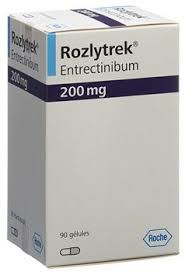
For children and adolescents 12 years of age and older, the dose needs to be adjusted based on body surface area (BSA). For example, when the BSA is greater than 1.5 m², the recommended daily dose is 600 mg; for patients with a BSA between 1.11 and 1.5 m², the recommended daily dose is 500 mg; and for patients with a BSA of 0.91 to 1.1 m², the daily dose is 400 mg. Clinically, it is also necessary to pay close attention to the changes in children's weight and BSA, and adjust the dosage in a timely manner to ensure the safety of the treatment. In addition, if grade 3 or above adverse reactions occur during use, such as neurological toxicity, cardiac QT interval prolongation or significant increase in liver enzymes, the medication may need to be suspended or the dose reduced to 400 mg or lower to ensure patient tolerability.
It is worth emphasizing that entrectinib has the ability to penetrate the central nervous system and is suitable for patients with brain metastases. However, it is also necessary to be wary of nervous system-related side effects, such as dizziness, ataxia or drowsiness. During the use of entrectinib, simultaneous use with strong inducers or inhibitors of CYP3A4 should be avoided to avoid affecting its plasma concentration. At the same time, patients should regularly monitor liver and kidney function, electrolyte levels and electrocardiogram QT interval to ensure the continuity and safety of treatment.
Reference materials:https://www.roche.com/products/rozlytrek
[ 免责声明 ] 本页面内容来自公开渠道(如FDA官网、Drugs官网、原研药厂官网等),仅供持有医疗专业资质的人员用于医学药学研究参考,不构成任何治疗建议或药品推荐。所涉药品可能未在中国大陆获批上市,不适用于中国境内销售和使用。如需治疗,请咨询正规医疗机构。本站不提供药品销售或代购服务。


