
.jpeg)
What is the difference between domestically produced and imported rasagiline? Effect of drug source on treatment
Rasagiline is a selective monoamine oxidase B type (MAO-B MAO-B) inhibitor that is widely used in the treatment of Parkinson's disease, especially in the early stages of the disease or when used in combination with levodopa, which can significantly improve motor symptoms. With the increase in clinical demand, in addition to the original imported drugs, the country has also begun to gradually introduce and produce generic versions of rasagiline. So, what are the differences between domestically produced and imported rasagiline? Does the source of the drug have an impact on the effectiveness of the treatment? The following is an analysis from multiple aspects.
First of all, in terms of drug source and research and development background, imported rasagiline usually refers to the original drug "Azilect" developed by Israel's Teva Pharmaceutical Company (Teva). It is the world's first rasagiline preparation to be launched, with complete clinical trial data and long-term safety tracking records. Domestic rasagiline is a generic drug developed by domestic pharmaceutical companies based on the ingredients and dosage standards of the original drug. Although preclinical and bioequivalence studies must pass before it can be approved for marketing, it has relatively little long-term efficacy data and market use experience.
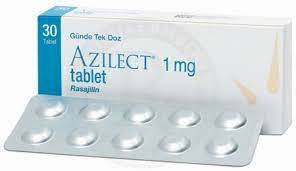
Secondly, in terms of drug quality and ingredients, imported rasagiline has strict manufacturing standards and a complete quality control system, and its active ingredient purity and impurity control are more precise. This means that in long-term medication, imported drugs may have more advantages in terms of stability and side effect control. Although domestically produced drugs have passed the national generic drug consistency evaluation, different manufacturers may still have slight differences in excipients, production processes, etc., which may lead to differences in tolerance or efficacy in some individual patients.
Furthermore, in terms of price and medical insurance coverage, the biggest advantage of domestically produced rasagiline is that the price is generally lower than that of imported original drugs. Especially after being included in medical insurance, the burden on patients is significantly reduced. Although the original drug has stable effects, it is expensive and some patients may face financial pressure due to long-term use. Therefore, patients with limited economic conditions are often more inclined to choose domestic generic drugs, especially if the efficacy is not significantly different.
Finally, in terms of therapeutic effect, although the original drug has more clinical data support, the domestically produced rasagiline has completed bioequivalence testing at this stage, indicating that its absorption and utilization rate in the human body is basically the same as that of the original drug. In other words, for most patients, the difference in treatment effect between the two is not significant. However, individual differences still exist, and some patients may experience subtle changes in efficacy or side effects after using generic drugs. Therefore, it is still necessary to choose the most appropriate drug source under the guidance of a doctor based on personal experience.
In summary, there are differences between domestically produced and imported rasagiline drugs in terms of research and development background, quality control, price and long-term efficacy data. Imported drugs have high stability and a longer history, while domestic drugs have cost advantages and are suitable for long-term use. When choosing drugs, patients should comprehensively consider their own financial situation, doctor's advice and drug response to achieve a more ideal treatment effect.
Reference materials:https://www.azilect.com/
[ 免责声明 ] 本页面内容来自公开渠道(如FDA官网、Drugs官网、原研药厂官网等),仅供持有医疗专业资质的人员用于医学药学研究参考,不构成任何治疗建议或药品推荐。所涉药品可能未在中国大陆获批上市,不适用于中国境内销售和使用。如需治疗,请咨询正规医疗机构。本站不提供药品销售或代购服务。


