
.jpeg)
Which one is better, Resagiline or Senfro? Therapeutic effects and comparison of two drugs
Rasagiline and Safinamide are the current treatments for Parkinson’s disease (Parkinson’s Two monoamine oxidase B type inhibitors (MAO-B inhibitors) commonly used in disease, PD). This type of drug inhibits the degradation of dopamine in the brain, thereby prolonging its action and improving motor symptoms. Although there are similarities in the mechanism of action between the two, there are also obvious differences, and each has its own advantages and limitations. So, which one is better, Resagiline or Senfro? The following will conduct a comparative analysis from various aspects such as pharmacological mechanism, clinical efficacy, side effects, and applicable groups.
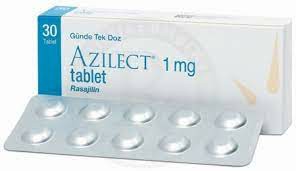
First of all, from the perspective of pharmacological mechanism, rasagiline is a selective and irreversible MAO-B inhibitor. It reduces the decomposition of dopamine by irreversibly binding to the MAO-B enzyme, thereby increasing the concentration of dopamine between synapses. In addition, rasagiline is believed to have a certain neuroprotective effect and may delay neuronal damage by inhibiting oxidative stress and apoptosis. In contrast, sefrol is a reversible MAO-B inhibitor that also inhibits glutamate neurotransmission. This dual mechanism makes Senforo more effective in reducing motion fluctuations and improving the "on/span>-off phenomenon". Therefore, Senfro has certain advantages in theory for Parkinson's patients who develop motor complications.
From the perspective of clinical efficacy, rasagiline is often used as a monotherapy for early-stage Parkinson's disease or as an auxiliary drug for levodopa treatment to delay the progression of symptoms. Multiple studies have shown that rasagiline can effectively delay the deterioration of motor symptoms and improve patients' quality of daily life. Senforol is more likely to be used in the middle and late stages of Parkinson's disease, especially when combined with levodopa treatment when "off phase" symptoms occur. It has the effect of shortening the "off phase" time and improving motor fluctuations. A controlled study in 2017 showed that senforol can significantly prolong the duration of the patient's "on phase" without increasing the incidence of dyskinesia, while rasagiline's improvement in the "off phase" is relatively limited. Therefore, if a patient's main problem is diurnal symptom fluctuations or prolonged "off" periods, Senfluro may be a better option.
In terms of side effects and tolerability, both perform well, but there are some differences. Common side effects of rasagiline include headache, joint pain, depression, insomnia, etc. Long-term use may cause individual patients to develop high blood pressure or worsen cognitive impairment. The side effects of Senfrog include insomnia, hallucinations, high blood pressure, muscle weakness, etc., especially at high doses, which may affect the stability of the nervous system. In addition, because Senfrol also affects the glutamate system, some patients may experience mild cognitive impairment or mood swings. However, in general, the safety of the two is relatively high, and the adverse reactions are controllable. The specific medication selection still needs to be based on the individual situation of the patient.
In terms of applicable groups, rasagiline is more suitable for patients with early-stage Parkinson's disease, those with mild symptoms and who have not yet developed motor complications. Because it is easy to take and has mild side effects, it is suitable for long-term use as a maintenance treatment drug. Senfro is more suitable for patients in the middle and late stages of Parkinson's disease who experience fluctuations in the effect of levodopa. For patients with problems such as prolonged "off period" and aggravation of dyskinesia, Senfro is widely recommended as an auxiliary treatment in clinical practice. At the same time, Senfro is not affected by tyramine in food and is more flexible in terms of diet.
In general, rasagiline and sefrol have their own advantages in the treatment of Parkinson's disease, and it is difficult to draw a conclusion simply by"which one is better". For patients with early-stage mild symptoms or those pursuing long-term maintenance treatment, rasagiline is a safe and effective choice; while for patients with mid-to-late stage disease and motor fluctuations, Senfro provides stronger symptom control capabilities. The final medication should be determined by the doctor based on the patient's condition stage, symptom characteristics, and individual tolerance. Reasonable drug combination and treatment strategy adjustment can help patients delay the progression of the disease to the greatest extent and improve the quality of life.
Reference materials:https://www.azilect.com/
[ 免责声明 ] 本页面内容来自公开渠道(如FDA官网、Drugs官网、原研药厂官网等),仅供持有医疗专业资质的人员用于医学药学研究参考,不构成任何治疗建议或药品推荐。所涉药品可能未在中国大陆获批上市,不适用于中国境内销售和使用。如需治疗,请咨询正规医疗机构。本站不提供药品销售或代购服务。


