
.jpeg)
Correct use of fenelidone: How to take it scientifically to obtain the best effect
Finerenone (Finerenone) is a non-steroidal selective aldosterone receptor antagonist, mainly used to treat patients with type 2 diabetes associated with chronic kidney disease (CKD). It reduces inflammation and fibrosis in the kidneys and cardiovascular system by blocking aldosterone receptors, thereby reducing the risk of worsening kidney function and cardiovascular events. In order to obtain the best efficacy of fenelidone, scientific and rational medication methods are crucial. The following systematically explains the correct use of fenelidone from various aspects such as pre-medication assessment, dosage selection, administration method, and medication monitoring.
First, a complete assessment of renal function and serum potassium levels should be performed before initiating fenelinone. Since fenelide has a potassium-sparing effect and may cause hyperkalemia, it is necessary to confirm that the serum potassium is not higher than 5.0 mmol/L and the estimated glomerular filtration rate (eGFR) is not lower than 25 mL/min/1.73㎡ before starting treatment. In patients with severely impaired renal function or who are already at risk of hyperkalemia, the risks and benefits of medication need to be carefully evaluated, and if necessary, consideration should be given to adjusting other drugs or suspending the use of fenelidone.
Secondly, the recommended starting dose of fenelidone is usually determined based on the eGFR value. If the patient's eGFR≥60 mL/min/1.73㎡, the recommended starting dose is 20 mgonce a day; if eGFRis between 25 and 59 mL/min/1.73㎡, the recommended starting dose is 10 mgonce a day. Depending on the patient's tolerance and serum potassium levels, the doctor may evaluate whether to increase the dose from 10 mg to 20 mg after 4 weeks. It should be noted that fenelidone is not recommended for use when the daily dose exceeds 20 mg, nor is it recommended to split the tablets and take them whole. The tablets should be swallowed whole.
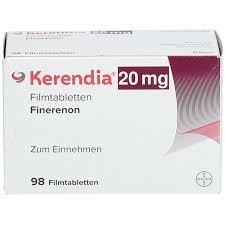
Regarding the specific method of taking the medication, fenelidone should be taken orally once a day at a fixed time, with or without meals. It is recommended that patients arrange their medication time in the morning or after dinner to facilitate the formation of regular medication habits. Do not increase or decrease the dosage or take medication intermittently on your own, otherwise it may affect the therapeutic effect or increase the risk of adverse reactions. During medication, patients should try to avoid using other potassium-sparing drugs (such as spironolactone, amlodipine, potassium-sparing diuretics, etc.) at the same time to avoid aggravating the risk of hyperkalemia.
In addition, monitoring during medication is critical. It is generally recommended to check serum potassium levels and kidney function regularly 4 weeks after starting medication, 12 weeks and every 4 months thereafter. Once the serum potassium rises above 5.5 mmol/L, you should consider suspending the medication or reducing the dose, and then re-evaluate whether to resume use after the potassium level drops. If the serum potassium exceeds 6.0 mmol/L, the medication should be stopped immediately, and the use of potassium-lowering drugs or adjustment of diet to reduce the intake of high-potassium foods should be considered.
At the same time, patients should also pay attention to dietary management and daily life intervention to assist drug treatment to achieve better results. Try to control sodium intake, avoid high-potassium foods (such as bananas, orange juice, spinach, beans, etc.), maintain good blood sugar control, and arrange exercise reasonably to help reduce the burden on the kidneys and cardiovascular systems. In addition, the use of non-steroidal anti-inflammatory drugs (NSAIDs) and other drugs that may damage kidney function should be avoided during treatment. If you need to use drugs at the same time, you should consult your doctor in advance.
In summary, fenelidone, as a new drug for the treatment of diabetes-related chronic kidney disease, has clear renal protection and cardiovascular benefits, but correct medication is the prerequisite to ensure efficacy and safety. Patients should strictly follow the doctor's instructions to take medication, regularly monitor relevant indicators, pay attention to potential risks of hyperkalemia, and reasonably arrange their diet and lifestyle to maximize the therapeutic advantages of fenelidone. For any uncomfortable symptoms or questions, you should seek medical treatment or consult a professional pharmacist in time to ensure that the treatment process is safe and effective.
Reference materials:https://www.kerendia.com/
[ 免责声明 ] 本页面内容来自公开渠道(如FDA官网、Drugs官网、原研药厂官网等),仅供持有医疗专业资质的人员用于医学药学研究参考,不构成任何治疗建议或药品推荐。所涉药品可能未在中国大陆获批上市,不适用于中国境内销售和使用。如需治疗,请咨询正规医疗机构。本站不提供药品销售或代购服务。


