
.jpeg)
What important information does the Chinese version of rasagiline contain? Usage instructions and precautions
Rasagiline (Rasagiline) is a monoamine oxidaseB (MAO-B) inhibitor. It is mainly used to treat Parkinson's disease, especially in patients with Parkinson's disease. It can effectively improve motor function and delay the further development of the disease. Rasagiline reduces the degradation of dopamine by selectively inhibiting the activity of MAO-B enzyme, thereby increasing the concentration of dopamine in the brain and alleviating the symptoms of Parkinson's disease. The following is the main information of the Chinese version of rasagiline, covering the instructions and precautions for taking the drug.
1. Drug Overview and Indications
Rasagiline is mainly used to treat patients with Parkinson's disease. It can be used alone or in combination with other drugs such as levodopa. It helps to improve the patient's motor symptoms, especially the symptoms of the "OFF" period, and delay the progression of the disease. By selectively inhibiting MAO-B, rasagiline increases dopamine bioavailability and improves motor function.
Indications:
Used alone or in combination with other medications to treat Parkinson's disease, especially in patients whose symptoms are not effectively controlled.
2. Usage and dosage
Rasagiline is usually administered orally, and the dosage and frequency of administration should be adjusted according to your doctor's guidance.
Adult usage:
Initial dose: The recommended initial dose is 1 mg once daily.
Maintenance dose: The maintenance dose is generally 1 mg once daily, but based on the patient's response and tolerance, the doctor may adjust the dose as needed.
Medication Instructions:
Rasagiline can usually be taken before or after meals, and it is recommended to take it at a fixed time every day to ensure the efficacy of the drug.
If the patient misses a dose, the dose should be refilled as soon as possible, but if it is close to the next dose, skip the missed dose and continue taking the medication as originally planned. Do not take double the dose at one time to make up for a missed dose.
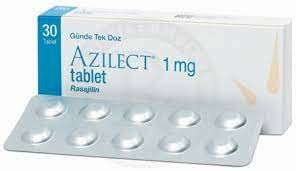
3. Adverse reactions and side effects
Although rasagiline is effective in treating Parkinson's disease, it may still cause some side effects. Patients should pay close attention to possible side effects while taking the medication and report them to their doctors in a timely manner.
Common adverse reactions:
Headache: Some patients may experience headache, usually mild or moderate, while taking rasagiline.
Insomnia: Some patients may have difficulty sleeping while taking rasagiline.
Nausea: A small number of patients may experience nausea or indigestion.
Joint pain: Some patients experience joint discomfort or muscle pain while taking rasagiline.
Serious side effects:
Hypertensive crisis: Rasagiline, as aMAO-B inhibitor, may cause hypertensive crisis when used with foods containing tyramine (such as aged cheese, red wine, etc.). Therefore, patients should avoid foods high in tyramine.
Psychiatric symptoms: A very small number of patients may experience psychiatric symptoms, such as hallucinations or depressed mood.
4. Precautions and Contraindications
Inspection before use:
Before initiating rasagiline, patients should undergo a complete physical examination, particularly evaluation of the cardiovascular system and mental health. Particular caution should be used in patients with high blood pressure or other heart disease.
Concomitant use with rasagiline should be avoided in patients taking other antidepressants or MAO inhibitors to avoid serious drug interactions.
Precautions during use:
Avoid foods high in tyramine: As a MAO-B inhibitor, rasagiline may cause food-drug interactions when used for a long time or in large doses, especially foods containing tyramine (such as fermented foods, cheese, alcohol, etc.), which may lead to a hypertensive crisis, manifested as severe headache, nausea, vomiting, rapid heartbeat and other symptoms.
Monitor blood pressure: Patients will need to have their blood pressure monitored regularly during treatment with rasagiline, especially when this drug is used in combination with other antihypertensive medications. Avoid having blood pressure that is too high or too low.
Hepatic insufficiency: For patients with hepatic insufficiency, rasagiline should be used with caution and the dose should be adjusted if necessary.
Contraindications:
Contraindicated in patients allergic to rasagiline or drug components.
Pregnant and breastfeeding women: Although there is no clear evidence that rasagiline is harmful to the fetus, use of this drug during pregnancy and breastfeeding requires weighing the risks and benefits, and following your doctor's advice if necessary.
With OthersMAOCo-administration of Inhibitors: Avoid concurrent use with other MAO inhibitors (including over-the-counter medications and antidepressants) to reduce the risk of interactions.
5. Drug Interactions
Rasagiline may interact with other medications, causing adverse reactions or making them less effective. Particular caution should be exercised especially when used with antidepressants, antihypertensive drugs, antiepileptic drugs, etc.
Major drug interactions:
Combined use with other MAO inhibitors: Rasagiline should not be combined with other MAO inhibitors (such as phenelzine, chloroaniline, etc.) to avoid serious side effects.
Tyramine-containing foods and medications: Avoid consuming it with tyramine-containing foods (such as aged cheese, red wine, fermented meats, etc.) because tyramine and MAO-B inhibitors may cause a hypertensive crisis.
Antihypertensive drugs: If the patient is taking antihypertensive drugs, especially diuretics, calcium channel blockers, etc., they may interact with rasagiline to affect blood pressure, and blood pressure should be monitored regularly.
As an effective treatment for Parkinson's disease, rasagiline can significantly improve patients' motor symptoms and delay the further progression of the disease. However, you need to follow your doctor's guidance when using this drug, especially with regard to dosage adjustments, monitoring for adverse reactions, and preventing drug interactions. Patients should avoid foods high in tyramine and monitor blood pressure and liver function regularly to ensure safe treatment.
Reference materials:https://www.azilect.com/
[ 免责声明 ] 本页面内容来自公开渠道(如FDA官网、Drugs官网、原研药厂官网等),仅供持有医疗专业资质的人员用于医学药学研究参考,不构成任何治疗建议或药品推荐。所涉药品可能未在中国大陆获批上市,不适用于中国境内销售和使用。如需治疗,请咨询正规医疗机构。本站不提供药品销售或代购服务。


