
.jpeg)
Fenelidone Side Effects and Dangers: Possible Risks from Long-Term Use
Finerenone (Finerenone) is a nonsteroidal selective aldosterone receptor antagonist widely used to treat patients with diabetic nephropathy (DKD) and chronic kidney disease (CKD). As a new type of drug, fenelidone has a significant effect in improving kidney function and delaying disease progression, especially in patients with kidney disease caused by diabetes. However, like other drugs, long-term use of fenelidone may also bring about some side effects and potential harm, especially if it is used improperly or if there are large individual differences. Understanding these side effects and risks can help patients use this drug safely under the guidance of their doctor.
1. Electrolyte imbalance
The main mechanism of action of fenelidone is to reduce sodium reabsorption and water retention by antagonizing aldosterone receptors, thereby lowering blood pressure and reducing the burden on the kidneys. However, aldosterone plays an important role in electrolyte balance in the body, and long-term use of fenelinone may lead to imbalances of electrolytes such as potassium and sodium. In particular, hyperkalemia (high blood potassium) is a common side effect of fenelidone use.
Hazards:
Hyperkalemia: Excessively high potassium levels can cause serious cardiac arrhythmias and even be life-threatening. Clinically, patients may experience symptoms such as palpitations, fatigue, and vomiting. In severe cases, cardiac arrest may result.
Hyponatremia: Although rare, long-term use of fenelinone may affect sodium metabolism, leading to hyponatremia, which may manifest as dizziness, nausea, confusion, and other symptoms.
Countermeasures:
During the course of treatment, patients should regularly monitor serum potassium and sodium levels, especially during the initial administration of the drug and during dosage adjustments.
If the blood potassium level is found to be too high, the drug dose should be adjusted immediately or other treatments should be taken, such as using potassium ion exchange resin or adjusting diet.
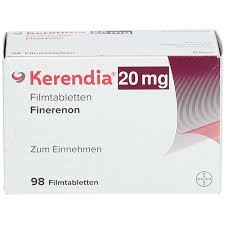
2. Kidney function impairment
Although fenelide has shown good efficacy in the treatment of diabetic nephropathy and chronic kidney disease, in some patients with already compromised kidney function, its use may place further stress on the kidneys, leading to worsening of kidney function. Especially in patients with severe renal failure, the use of this drug may increase the burden on the kidneys.
Hazards:
Further deterioration of renal function: Some patients may develop renal tubular damage or acute kidney injury after taking fenelidone, manifested by increased serum creatinine levels, decreased urine output, etc.
Drug Toxicity: Long-term use of fenelinone may cause drug accumulation, especially in patients with renal insufficiency, leading to drug toxicity.
Countermeasures:
Monitoring of renal function is critical during treatment with fenelidone. Regularly checking indicators such as serum creatinine, urea nitrogen, and urine output can help detect changes in kidney function in a timely manner.
For patients with significantly impaired renal function, extreme caution is required when using fenelidone, and dose adjustment or other treatment options may be required.
3. Hypertension
The effects of fenelinone include reducing water and sodium retention in the body, thereby lowering blood pressure to some extent. However, hypotension (especially in patients with preexisting hypotension) may be a potential risk with long-term use of this drug. Hypotension can cause dizziness, fatigue, palpitations and other uncomfortable symptoms. In severe cases, it may cause fainting and falling.
Hazards:
Low blood pressure: People may experience dizziness, nausea, or even loss of balance when standing up.
Heart problems: With low blood pressure, the heart cannot pump blood efficiently, which may worsen the symptoms of heart disease.
Countermeasures:
Before taking fenelidone, doctors need to evaluate the patient's blood pressure to make sure it is within the normal range.
Patients should have their blood pressure monitored regularly during treatment, especially when the drug dose is adjusted. If symptoms of hypotension occur, seek medical attention promptly and adjust treatment.
4. Other adverse reactions
In addition to the above-mentioned main side effects, long-term use of fenelidone may also cause other adverse reactions. Although these reactions are relatively rare, they cannot be ignored. For example, some patients may experience gastrointestinal discomfort, such as nausea, vomiting, diarrhea, etc.; they may also experience allergic reactions, such as rash, itching, etc. In addition, long-term use of fenelidone may also affect bone density, leading to an increased risk of fractures.
Hazards:
Gastrointestinal discomfort: Although most gastrointestinal upset reactions are mild, if symptoms persist, they may affect the patient's quality of life.
Allergic Reactions: Symptoms such as allergic skin reactions and difficulty breathing may occur and although rare, are still a cause for concern.
Countermeasures:
If you have gastrointestinal discomfort, you can reduce symptoms by adjusting your diet or taking medications after meals.
If an allergic reaction occurs, the medication should be stopped immediately and seek medical treatment.
Although fenelinone is an effective drug for the treatment of diabetic nephropathy and chronic kidney disease and can significantly improve patients' renal function and blood pressure control, long-term use of this drug is still associated with certain side effects and risks, especially problems such as electrolyte imbalance, renal damage, and hypotension. Patients need to regularly monitor indicators such as renal function, electrolyte levels, and blood pressure while using fenelidone, and adjust the treatment plan according to the guidance of their doctor. Through scientific management and treatment, patients can minimize the side effects of drugs, ensure treatment effects while reducing potential harm.
Reference materials:https://www.kerendia.com/
[ 免责声明 ] 本页面内容来自公开渠道(如FDA官网、Drugs官网、原研药厂官网等),仅供持有医疗专业资质的人员用于医学药学研究参考,不构成任何治疗建议或药品推荐。所涉药品可能未在中国大陆获批上市,不适用于中国境内销售和使用。如需治疗,请咨询正规医疗机构。本站不提供药品销售或代购服务。


