
.jpeg)
Summary of linezolid’s functional indications and indications
Linezolid (Linezolid) is a synthetic oxazolidinone antibiotic. Since it was first approved in 2000, it has become an important weapon in the treatment of multidrug-resistant Gram-positive bacterial infections. Its unique mechanism of action makes it still occupy an extremely important position in the current environment where antibacterial drugs are constantly facing the challenge of drug resistance. Linezolid mainly works by inhibiting bacterial ribosomal protein synthesis and targeting specific sites on 23S rRNA, thereby preventing bacterial reproduction. This mechanism is distinct from other antibiotics such as beta-lactams, macrolides or aminoglycosides and therefore remains active against many strains of bacteria that are resistant to traditional drugs.
In clinical applications, linezolid is widely used to treat various serious infections caused by drug-resistant Gram-positive bacteria. One of the most important indications is methicillin-resistant Staphylococcus aureus (MRSA) infections, including complicated skin and soft tissue infections (cSSTI) and community-acquired pneumonia (CAP) and hospital-acquired pneumonia (HAP). MRSA has long been a problem in hospital infections worldwide. Linezolid has become a key drug in the treatment of this type of infection due to its good tissue penetration and efficient antibacterial activity against MRSA. At the same time, linezolid is also one of the important options for the treatment of vancomycin-resistant enterococci (VRE) infections. VRE infections usually occur in patients in the intensive care unit (ICU) or those receiving long-term antimicrobial therapy, and treatment options are extremely limited. Linezolid has shown good efficacy in this situation, especially for bacteremia, abdominal infections, urinary tract infections, etc.
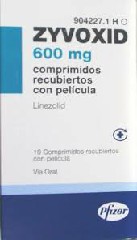
In addition to the above indications, linezolid is also approved for the treatment of complex skin structure infections (including necrotizing fasciitis), and is also often used in the field of osteomyelitis, central nervous system infections (such as meningitis) in practical applications, especially when the infectious strains are resistant to traditional drugs. Its ability to penetrate the blood-brain barrier well makes it an option in the treatment of drug-resistant bacterial meningitis. For tuberculosis, especially multidrug-resistant tuberculosis (MDR-TB) and extensively drug-resistant tuberculosis (XDR-TB), linezolid has also shown encouraging therapeutic prospects in recent years. The World Health Organization (WHO) has included linezolid as one of the core drugs recommended for the treatment of drug-resistant tuberculosis. Clinical studies have shown that linezolid can significantly improve the sputum negative conversion rate and treatment success rate in the treatment of drug-resistant pulmonary tuberculosis patients, especially when used in combination with other anti-tuberculosis drugs, showing a synergistic effect.
It is worth mentioning that linezolid has some special advantages during use. First of all, it can be administered orally and intravenously, and the bioavailability of the two dosage forms is almost the same.100%. This means that patients can easily switch from intravenous infusion to oral treatment after their clinical condition stabilizes, reducing hospitalization time and medical costs. Secondly, linezolid is widely distributed in tissues and body fluids, and can reach effective therapeutic concentrations in lung tissue, soft tissue, spinal fluid and other parts, greatly expanding its scope of application. However, it should be noted that the use of linezolid is also associated with certain risks, especially long-term treatment that can easily lead to bone marrow suppression (such as thrombocytopenia), peripheral neuropathy, optic neuropathy, and lactic acidosis. Therefore, it is generally recommended that the treatment cycle should not exceed 28 days, unless it is cautiously extended under close monitoring, and regular blood routine, neurological evaluation and lactate level testing are required during use.
Reference materials:https://go.drugbank.com/drugs/DB00601
[ 免责声明 ] 本页面内容来自公开渠道(如FDA官网、Drugs官网、原研药厂官网等),仅供持有医疗专业资质的人员用于医学药学研究参考,不构成任何治疗建议或药品推荐。所涉药品可能未在中国大陆获批上市,不适用于中国境内销售和使用。如需治疗,请咨询正规医疗机构。本站不提供药品销售或代购服务。


