
.jpeg)
Adding ribociclib/ribociclib to endocrine therapy improves survival in patients with metastatic breast cancer
In breast cancer research in recent years, the results of the phase II maintenance trial, which evaluated the efficacy of adding ribociclib to endocrine therapy in patients with hormone receptor (HR)-positive, human epidermal growth factor receptor 2 (HER2)-negative metastatic breast cancer, have attracted widespread attention and observed a significant survival benefit. This important result will be published in 2022, further promoting research progress in this field.
The combination of cyclin-dependent kinase (CDK) and endocrine therapy has become the standard treatment for HR-positive, HER2-negative metastatic breast cancer. Previous observational data suggest that there may be potential benefit from continuing CDK 4/6 therapy and switching to endocrine therapy when disease progresses. The effectiveness of this treatment strategy provides new hope for many patients.
This investigator-initiated study used a multicenter, double-blind, placebo-controlled design to evaluate 120 patients, including one male patient, with measurable or non-measurable HR-positive, HER2-negative metastatic breast cancer who progressed during CDK 4/6 therapy and endocrine therapy. In the study, patients previously treated with fulvestrant were switched to exemestane as endocrine therapy, and vice versa. Patients who received no treatment were randomized at the discretion of the investigators, although the option of fulvestrant was encouraged.
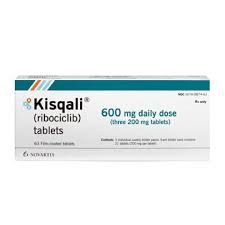
The median age of the patients was 57 years old, and most of the patients were white. They were randomized in a 1:1 ratio to receive either fulvestrant or exemestane. Among them, the proportion of patients in the fulvestrant group was 83%, while the proportion of patients in the exemestane group was 17%. Interestingly, the participants’ background in CDK 4/6 treatment included palbociclib, rebociclib, and abemaciclib.
In this trial, the median progression-free survival (PFS) of patients who received rebociclib was 5.33 months, while the median PFS of patients who received endocrine therapy alone was 2.76 months. Statistics show that the hazard ratio (HR) of the Riboxil group is 0.56 and the P value is 0.004, showing that the Riboxil treatment group has a significant survival advantage compared to the endocrine monotherapy group. At 6 months, 42% of patients in the rebociclib group remained progression-free, compared with 24% of patients receiving endocrine therapy alone; at 12 months, the rates were 25% and 7%, respectively.
However, patients still need to pay attention to the occurrence of adverse events while receiving treatment. The most common hematologic adverse events in patients receiving and not receiving reboxil included neutropenia, anemia, and thrombocytopenia. Specifically, the incidence of neutropenia was 72% in the rebociclib group compared with 15% of patients who did not receive rebociclib. Additionally, the percentage of patients experiencing infection was 10% and 5% respectively. It is worth noting that only 2 (3%) patients treated with reboxil developed pneumonia, indicating that the drug has a good safety profile.
Overall, this study is the first randomized trial to demonstrate the effective benefit of reboxiclib and switch endocrine therapy after progression onCDK 4/6 therapy. In patients with tumor progression after receiving CDK 4/6 therapy, reboxil plus endocrine therapy significantly improved progression-free survival compared with placebo plus endocrine therapy, providing new evidence for clinical practice.
References:https://www.docwirenews.com/post/addition-of-ribociclib-to-endocrine-therapy-improves-survival-in-metastatic-breast-cancer?uid=
[ 免责声明 ] 本页面内容来自公开渠道(如FDA官网、Drugs官网、原研药厂官网等),仅供持有医疗专业资质的人员用于医学药学研究参考,不构成任何治疗建议或药品推荐。所涉药品可能未在中国大陆获批上市,不适用于中国境内销售和使用。如需治疗,请咨询正规医疗机构。本站不提供药品销售或代购服务。


