
.jpeg)
The mechanism of action and therapeutic principle of cimepilimab
Cemiplimab (Cemiplimab) is a humanized immune checkpoint inhibitor that mainly targets programmed death-1 receptor (PD-1). It blocks the binding of PD-1 receptor and its ligands PD-L1 and PD-L2, thereby releasing the inhibition of T cell activity and restoring the body's immune system to recognize and attack tumor cells. PD-1 is an important immune regulatory molecule. Under normal circumstances, it binds to PD-L1/PD-L2 to prevent excessive activation of the immune system from causing damage to its own tissues. However, many tumor cells overexpress PD-L1, thereby evading clearance by the immune system. By precisely interrupting this pathway, cimepilimab reactivates suppressed T cell functions, allowing them to effectively recognize and attack cancer cells.
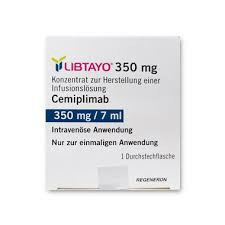
Cimepilimab was initially approved to treat locally advanced or metastatic cutaneous squamous cell carcinoma (CSCC), the first PD-1 inhibitor specifically targeting this highly aggressive form of skin cancer. Subsequently, the indications were gradually expanded to include specific patient groups such as advanced non-small cell lung cancer (NSCLC), basal cell carcinoma (BCC), and metastatic colorectal cancer (mCRC) with microsatellite stable or low microsatellite instability. In clinical trials, cimepilimab demonstrated encouraging objective response rates (ORR) and durable treatment responses. Especially in the field of CSCC, cimepilimab has become an important drug that changes the treatment landscape. Compared with traditional treatments, it can significantly extend progression-free survival (PFS) and overall survival (OS).
It is worth noting that compared with otherPD-1 inhibitors, cimipilimab has unique affinity and pharmacokinetic properties, ensuring a sustained and stable immune activation effect. In addition, since immune checkpoint inhibitors may activate a broad range of immune responses, caution needs to be taken when using cimepilimab for immune-related adverse events (irAEs), such as rash, endocrine dysfunction, pneumonia or enteritis.
Reference materials:https://www.libtayohcp.com/
[ 免责声明 ] 本页面内容来自公开渠道(如FDA官网、Drugs官网、原研药厂官网等),仅供持有医疗专业资质的人员用于医学药学研究参考,不构成任何治疗建议或药品推荐。所涉药品可能未在中国大陆获批上市,不适用于中国境内销售和使用。如需治疗,请咨询正规医疗机构。本站不提供药品销售或代购服务。


