
.jpeg)
Is the clinical therapeutic effect of cimepilimab significant?
Cemiplimab (Cemiplimab) is a fully human monoclonal antibody targeting the PD-1 receptor. It was developed by Regeneron using its VelocImmune technology platform. Its performance in clinical treatment has attracted much attention in recent years. By blocking the binding of the PD-1 receptor to its ligands PD-L1 and PD-L2, cimepilimab effectively relieves T cell immunosuppression and reactivates the immune system to recognize and eliminate cancer cells. A large number of clinical studies have shown that cimepilimab exhibits significant efficacy and good tolerability in the treatment of a variety of refractory tumors.
In the field of cutaneous squamous cell carcinoma (CSCC), cimepilimab is the first and only PD-1 inhibitor approved by the US FDA for the treatment of patients with locally advanced or metastatic CSCC. Clinical data show that the objective response rate (ORR) of patients with advanced CSCC treated with cimepilimab is as high as 47.2%, and the median duration of treatment response exceeds the expected durable survival. This achievement not only redefines the treatment standards for advanced CSCC, but also greatly improves the quality of life of patients.
Cimepilimab also achieved positive results in the indication of basal cell carcinoma (BCC). For patients with locally advanced and metastatic BCC who failed or were intolerant to hedgehog pathway inhibitors, cimepilimab treatment achieved an objective response rate of approximately 31%. Notably, in these cases of severe treatment failure, the therapeutic response was remarkably sustained, suggesting its potential in translational treatment strategies.
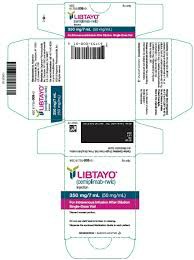
For non-small cell lung cancer (NSCLC), cimepilimab has also made breakthrough progress. In a phase III EMPOWER-Lung 1 clinical trial, cimepilimab, as a single-agent first-line treatment for metastatic NSCLC patients with high PD-L1 expression (TPS ≥ 50%), showed overall survival (OS) and progression-free survival (PFS) advantages over standard chemotherapy. Specific data showed that the median OS reached 22 months, which was significantly longer than the 14 months in the chemotherapy group. At the same time, the overall tolerability was better and the incidence of serious adverse events was lower. In addition, in the EMPOWER-Lung 3 study, cimepilimab combined with chemotherapy further expanded the beneficiary group, not only limited to patients with high PD-L1 expression, allowing more patients with different molecular characteristics to have the opportunity to benefit from it.
Although the exploration of cimepilimab in the treatment of other solid tumors such as advanced cervical cancer is still ongoing, preliminary results also show good activity and safety. In multiple ongoing clinical trials, cimepilimab is being compared with other immune checkpoint inhibitors such asThe combined application of CTLA-4 antibodies) and new anti-tumor drugs strives to expand new treatment areas in solid tumors and hematological tumors. These combined strategies are expected to further enhance the immune response and overcome the problem of resistance to single-agent treatments.
It needs to be emphasized that although the overall safety of cimipilimab is good, like allPD-1/PD-L1 inhibitors, it may still cause immune-related adverse events (irAEs), such as immune pneumonitis, hepatitis, endocrine dysfunction, etc. Therefore, patients need to fully assess the risks before receiving treatment and receive close monitoring and management during treatment.
In general, cimepilimab has established an important position in the treatment of multiple cancer types through its potent and long-lasting immune activation mechanism, especially for patients with advanced skin cancer and some lung cancer who lacked effective treatment options in the past, providing new hope.
Reference materials:https://www.libtayohcp.com/
[ 免责声明 ] 本页面内容来自公开渠道(如FDA官网、Drugs官网、原研药厂官网等),仅供持有医疗专业资质的人员用于医学药学研究参考,不构成任何治疗建议或药品推荐。所涉药品可能未在中国大陆获批上市,不适用于中国境内销售和使用。如需治疗,请咨询正规医疗机构。本站不提供药品销售或代购服务。


