
.jpeg)
What are the common side effects of Ribociclib/Ribociclib?
Ribociclib is highly effective in the treatment of HR+/HER2- advanced breast cancer, but like other targeted therapy drugs, there is a certain risk of side effects during use, and patients need to be closely monitored during treatment. Based on clinical trials and post-marketing practical experience, one of the most common adverse reactions of ribociclib is hematological toxicity, especially neutropenia. This side effect occurs more frequently in patients, and although it is usually reversible, regular blood routine monitoring is still required. In severe cases, it may be necessary to suspend or adjust the dose.
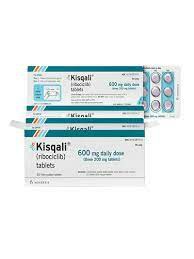
In addition to neutropenia, gastrointestinal symptoms such as fatigue, nausea, vomiting, and diarrhea often occur during treatment with reboxil. These gastrointestinal reactions are usually mild to moderate and can be well controlled with symptomatic and supportive treatment. In addition, abnormal liver function is also a common side effect of Riboxiclib. Some patients experience elevated transaminases (AST, ALT) during treatment. Therefore, liver function needs to be checked regularly during medication in order to detect and deal with potential hepatotoxicity problems early.
In terms of cardiotoxicity, ribociclib can causeQT interval prolongation in some patients, which is a serious side effect that requires special attention. QT prolongation may increase the risk of arrhythmia, so doctors usually arrange electrocardiogram examinations before medication, early in treatment, and during follow-up. Patients with a history of heart disease or who are concurrently using other drugs that may affect the QT interval need to be closely monitored. In addition, hair loss, rash, and loss of appetite are also side effects that patients may encounter. Although most of them are mild to moderate, intervention is still required when it affects the quality of life.
Overall, although the side effects spectrum of Riboxil is relatively clear and most of them are manageable, because some reactions such as severe infection, liver damage or cardiac toxicity may be life-threatening, clinical use needs to be strictly in accordance with the recommended dosage and monitoring requirements.
Reference materials:https://us.kisqali.com/
[ 免责声明 ] 本页面内容来自公开渠道(如FDA官网、Drugs官网、原研药厂官网等),仅供持有医疗专业资质的人员用于医学药学研究参考,不构成任何治疗建议或药品推荐。所涉药品可能未在中国大陆获批上市,不适用于中国境内销售和使用。如需治疗,请咨询正规医疗机构。本站不提供药品销售或代购服务。


