
.jpeg)
Are capmatinib suitable for patients with lung cancer?
Capmatinib is a targeted therapy drug mainly used to treat non-small cell lung cancer (NSCLC) with positive MET gene mutations. Capmatinib prevents the growth and spread of tumor cells by selectively inhibiting the MET receptor tyrosine kinase. For patients with lung cancer, whether capmatinib is suitable mainly depends on the molecular characteristics of the tumor and its drug resistance.
Capmatinib is suitable for patients with lung cancer who have positive mutations in the MET gene. METGene mutations or amplifications are closely related to the progression and drug resistance of lung cancer. METGene mutations are common in advanced non-small cell lung cancer, especially in patients with treatment resistance. Before capmatinib treatment, patients need to confirm whether there is a MET gene mutation through genetic testing. If the test results are positive for a MET gene mutation, capmatinib can be an effective treatment option. Therefore, whether patients with lung cancer are suitable for capmatinib first depends on whether they have undergone and passed MET mutation screening.
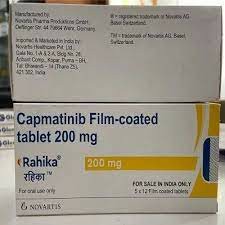
Capmatinib has shown significant efficacy in the treatment of MET non-small cell lung cancer (especially advanced lung cancer) with positive gene mutations. In clinical trials, capmatinib has shown favorable responses in treatment-resistant patients, particularly in patients with established resistance to other targeted therapies such as EGFR inhibitors or ALK inhibitors. Capmatinib can effectively inhibit the proliferation and metastasis of tumor cells caused by MET gene mutations, and improve the survival and quality of life of patients. Therefore, capmatinib provides an important treatment option for lung cancer patients with positive MET gene mutations.
Although capmatinib has significant efficacy in the treatment of MET gene mutation-positive lung cancer, it also has certain side effects. Common side effects include nausea, vomiting, diarrhea, fatigue and edema. Most side effects are mild to moderate and can be managed with supportive care or dose adjustment. However, some patients may experience serious side effects, such as abnormal liver function or difficulty breathing. Therefore, when patients receive capmatinib treatment, they need to be treated under the supervision of a doctor so that the treatment plan can be adjusted in a timely manner.
Reference materials:https://www.novartis.com/our-products/pipeline/capmatinib
[ 免责声明 ] 本页面内容来自公开渠道(如FDA官网、Drugs官网、原研药厂官网等),仅供持有医疗专业资质的人员用于医学药学研究参考,不构成任何治疗建议或药品推荐。所涉药品可能未在中国大陆获批上市,不适用于中国境内销售和使用。如需治疗,请咨询正规医疗机构。本站不提供药品销售或代购服务。


