
.jpeg)
What are the common adverse reactions of platinib in the treatment of lung cancer?
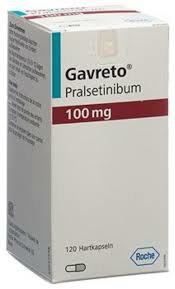
Pralsetinib is a targeted therapy drug mainly used to treat non-small cell lung cancer with positive ALK (anaplastic lymphoma kinase) gene mutations. Although platinib has shown significant clinical efficacy, like other targeted therapy drugs, it may also cause some adverse reactions. The following are common adverse reactions of platinib in the treatment of lung cancer and their countermeasures.
1. Adverse reactions of the digestive system: Treatment with Platinib may cause adverse reactions of the digestive system, the most common of which include nausea, vomiting, diarrhea and loss of appetite. These side effects are usually more noticeable early in treatment, but most patients gradually adapt and resolve. Nausea and vomiting can be reduced by dividing meals and avoiding greasy or spicy foods, while diarrhea can be relieved by modifying your diet and taking antidiarrheal medications. Severe diarrhea should be reported to the doctor promptly to avoid affecting treatment.
2. Liver function impairment: Platinib may cause liver function damage, especially elevated liver enzymes. Clinical studies have found that some patients developed abnormal liver function, such as increased liver enzyme levels (ALT, AST) when receiving platinib treatment. Patients need to check their liver function regularly during treatment to detect potential liver damage in a timely manner. If the abnormality in liver function is severe, the dose may need to be adjusted or the drug may need to be temporarily discontinued until liver function returns to normal.
3. Adverse reactions of the cardiovascular system: During treatment with Platinib, it may also cause adverse reactions of the cardiovascular system, such as hypertension, arrhythmia, etc. Hypertension is the most common cardiovascular side effect, especially in the early stages of treatment. Regular blood pressure monitoring is essential to detect high blood pressure in a timely manner. For patients who develop high blood pressure, doctors may adjust the dose of platinib or add antihypertensive drugs to control blood pressure.
4. Other adverse reactions: In addition to the common side effects mentioned above, Platinib may also cause other adverse reactions, such as rash, fatigue, muscle pain, etc. Although these adverse reactions are usually mild and tolerable, patients should communicate with their doctor promptly if symptoms are severe or persistent. During the treatment period, maintaining good living habits, taking appropriate rest, and avoiding strenuous exercise can effectively reduce side effects such as fatigue and muscle pain.
In general, platinib has significant efficacy as a targeted drug for the treatment of lung cancer, but some adverse reactions may occur during use. Patients should be treated under the guidance of a doctor and managed accordingly according to the manifestations of side effects.
Reference materials:https://gavreto.com/
[ 免责声明 ] 本页面内容来自公开渠道(如FDA官网、Drugs官网、原研药厂官网等),仅供持有医疗专业资质的人员用于医学药学研究参考,不构成任何治疗建议或药品推荐。所涉药品可能未在中国大陆获批上市,不适用于中国境内销售和使用。如需治疗,请咨询正规医疗机构。本站不提供药品销售或代购服务。


